Sylvanus Olympio University Hospital: baby abducted due to a failing security system
- Posted on 25/09/2026 20:36
- Film
- By raymonddzakpata@sante-education.tg
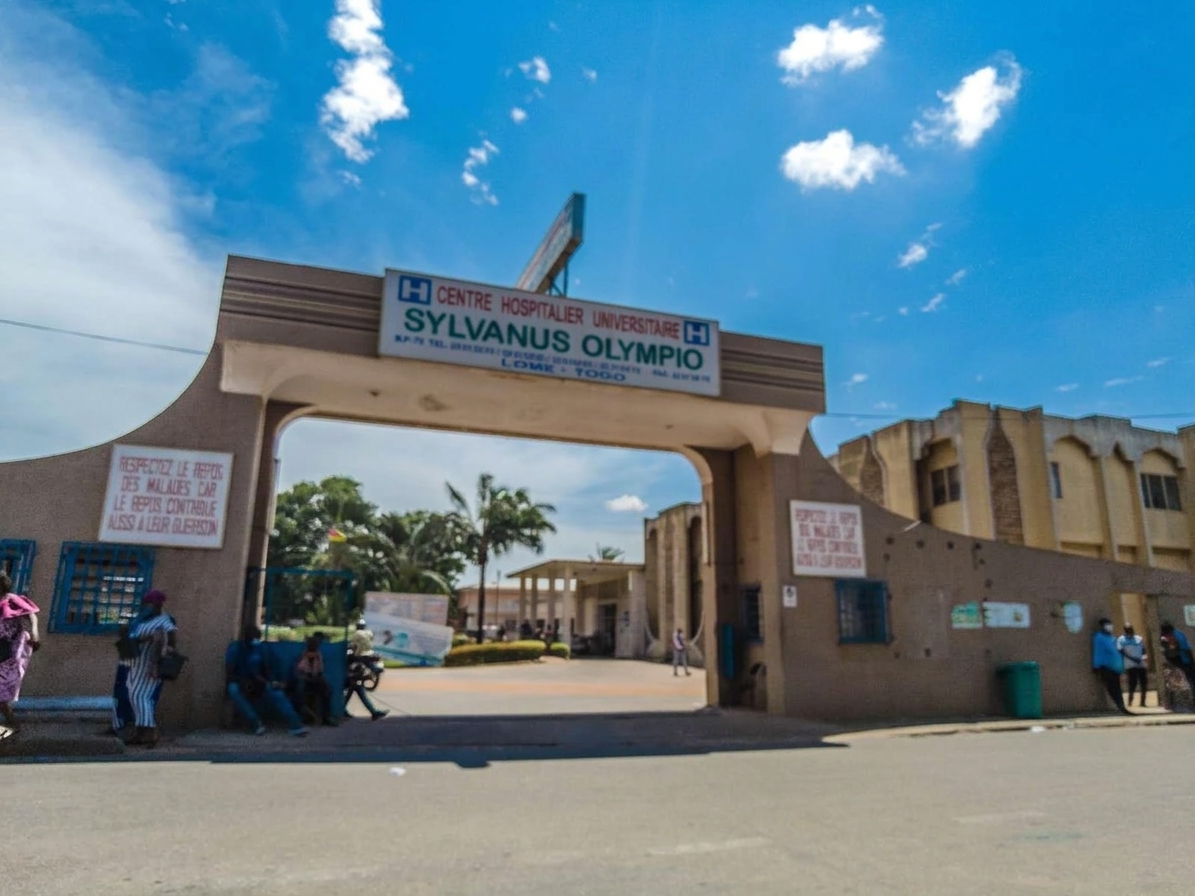
Extract from the article: A newborn baby was abducted from the maternity ward at Sylvanus Olympio University Hospital on 17 September 2026. A veiled individual is believed to be responsible for the abduction. A few days later, the hospital issued its response, which includ...
A
newborn baby was abducted from the maternity ward at Sylvanus Olympio
University Hospital on 17 September 2026. A veiled individual is believed to be
responsible for the abduction. A few days later, the hospital issued its
response, which included, amongst other measures, a ban on the niqab and the
burqa. But behind this decision lies a far more important question: how was a
stranger able to enter a maternity ward, gain access to a newborn and walk out
with the baby from one of Togo’s largest hospitals?
The
abducted newborn is a baby girl. According to initial statements from the
management of the CHU-SO, a woman is believed to have taken advantage of the
momentary absence of the person responsible for watching over the baby to
snatch her. The gendarmerie is investigating and CCTV footage is being
analysed.
But
in reality, this incident above all reveals a major flaw in the security system
at the CHU-SO. In a maternity ward, particularly in a large referral hospital,
access to newborns should be strictly controlled. Who enters? Who leaves? Who
accompanies a mother? Who is allowed to take a baby? Where are the access
controls for sensitive wards? The answer cannot, therefore, be limited to
clothing alone.
Niqabs and burqas banned
In
response, and as one of the measures taken, the CHU-SO has now banned the niqab
and the burqa, on the grounds that they make it difficult to identify
individuals. The security objective is understandable. However, the measure
raises a very sensitive issue, given the demographic that wears this type of
clothing. This measure may be perceived as stigmatising and, in certain
circumstances, may deter those affected from seeking healthcare.
Therefore,
rather than imposing a blanket ban throughout the hospital, why not introduce,
in sensitive areas such as the maternity ward, an identification procedure supervised
by authorised staff, whilst respecting dignity and socio-religious beliefs?
A
security measure must target the actual risk, without turning a particular
style of dress or a section of the population into permanent suspects.
The problem runs deeper
The
CHU-SO is a healthcare facility facing multiple problems. This case of a baby’s
abduction brings back to the forefront of the debate the question, raised time
and again, of the major reforms needed to improve the performance of this
institution. The abduction of a baby is certainly not the first incident of
this kind at this hospital.
That
is why this latest abduction must serve as a wake-up call. It is not enough
simply to put up signs banning certain types of clothing. The CHU-SO is, in
principle, the national referral hospital. The disappearance of a baby within
its walls must be treated with the utmost seriousness.
Security
must be audited, access points properly monitored, accompanying persons
identified, maternity wards secured and CCTV systems checked. It is also
essential to establish who is responsible: who is employed and paid to ensure
the security of the maternity ward? Who is responsible for security in this
hospital?
This
case has caused great distress amongst the public. According to some sources,
the baby was born by caesarean section. In addition to the distress caused by
the operation, her mother may never have the chance to see her child again.
All
legal and professional measures must be taken to ensure that such a situation
never happens again.
Gamé KOKO