Make the hydroalcoholic gel at home
- Posted on 19/03/2020 00:00
- Film
- By stephaneogou@gmail.com
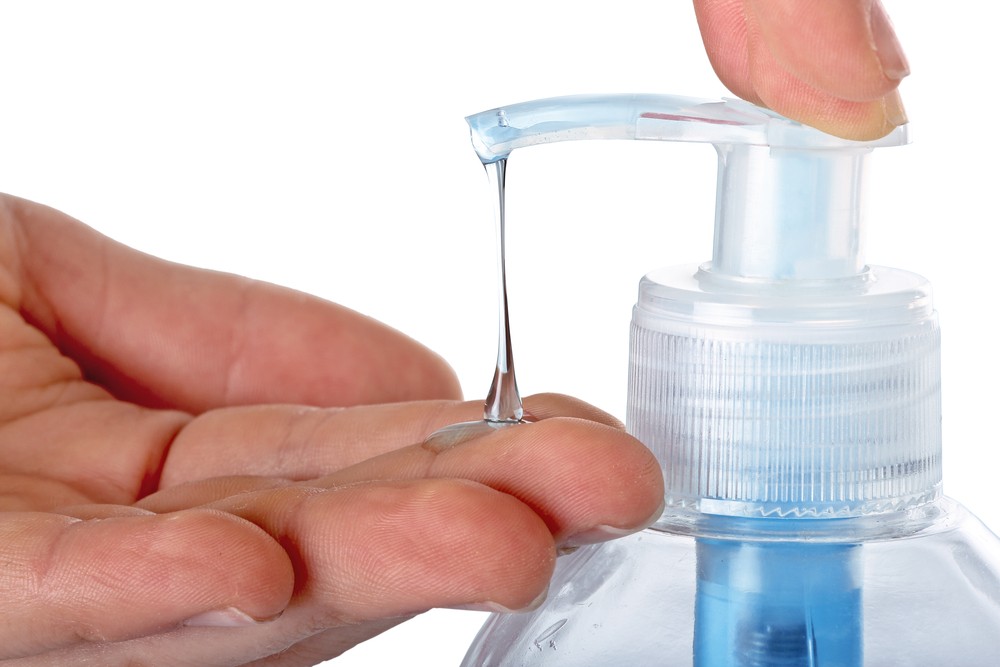
Extract from the article: Il faut de l'alcool qui tue les virus et bactéries, de l'eau oxygénée (ou péroxyde d'hydrogène) qui élimine les spores bactériennes potentiellement présentes dans les flacons
You
need alcohol that kills viruses and bacteria, hydrogen peroxide (or hydrogen
peroxide) that eliminates the bacterial spores potentially present in the
bottles but which has no antiseptic action on the skin, and glycerol that acts
as an emollient and humectant. Other softeners can be used as a replacement for
glycerol, such as aloe vera. All these ingredients are available on request at
the pharmacy.
Attention:
the WHO specifies that only products specifically intended for pharmaceutical
use (and not industrial products) must be used. Hydrogen peroxide is also
corrosive at concentrations higher than 3-6%. Also be wary of alcohol bottles
sold commercially, whose concentration is often lower than 70%.
Here
are the quantities to obtain one liter of hydroalcoholic solution: 833 ml of
alcohol (ethanol 96% or isopropanol 99.8%); 41.7 ml of oxygenated water
(hydrogen peroxide 3%); 14.5 ml of glycerine (glycerol 98%); distilled water or
slurry to complete.
The manufacturing steps of the
hydroalcoholic gel
The
proportions may vary slightly, but the alcohol concentration must remain above
60%; the higher the alcohol concentration, the more effective the
hydroalcoholic solution will be. Pour the alcohol into a graduated container.
Add hydrogen peroxide, then glycerol (the latter being viscous, part of the
distilled water can be used to rinse the container with which it was poured).
Make up with remaining distilled water. Immediately divide the solution into
several tightly closed vials to prevent evaporation. Wait at least 72 hours
before using the hydroalcoholic gel so that the hydrogen peroxide works.
Remember to properly label the bottles and keep them out of the reach of
children.
Jean ELI (Source: WHO)