Mould in the home: beware of chronic diseases
- Posted on 26/09/2022 10:30
- Film
- By abelozih@sante-education.tg
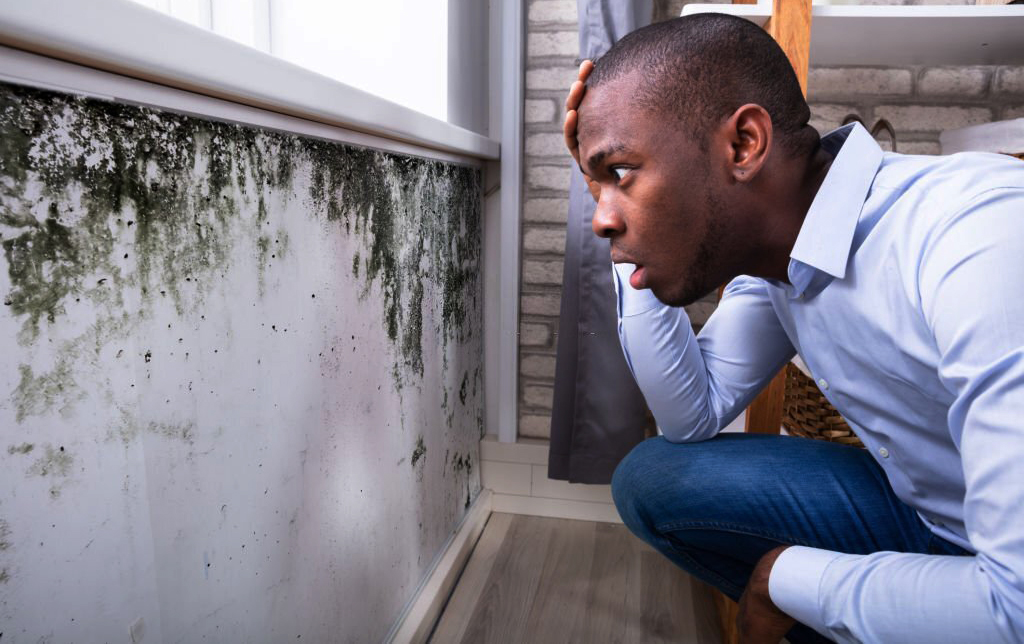
Extract from the article: The presence of mould in the home causes problems that go far beyond structural damage. While its smell and the stains it creates on walls and ceilings are the most noticeable elements, it is important to know that over time it causes certain health
The presence of mould
in the home causes problems that go far beyond structural damage. While its
smell and the stains it creates on walls and ceilings are the most noticeable
elements, it is important to know that over time it causes certain health problems.
Mould is a form of
fungus that tends to grow in indoor and outdoor spaces. It frequently appears
in very damp areas, such as roofs or walls, showers where water seeps in,
windows, pipes or any place where there is frequent contact with liquids.
Similarly, it proliferates easily in cardboard items, wooden products,
plasterboard, carpets or paints. Because it produces spores, mould spreads
easily by stagnating in the air. Then, if the environment is humid and warm, it
grows.
According to an
article published in the journal « Environmental Health » Perspectives,
it is estimated that about 500 species of fungi affect human health. However,
the most common in the home are Cladosporium, Penicillium and Aspergillus.
How does mould
get into the house?
Mould spores are as
present in outdoor spaces as they are indoors; however, they are not easily
seen. They enter homes through windows, open doors, ventilation ducts or air
conditioning systems.
They can also stick to
objects such as clothes and shoes, which then carry them back into the house,
and even to animal hair. If the right humidity conditions are present indoors,
mould will grow; if not, it will not cause any problems.
Mould in the home and
health
According to
information published by the Center for Disease Control and Prevention,
exposure to damp and mouldy environments causes respiratory symptoms and
allergic reactions in some people. It can also trigger attacks in patients with
asthma. Research published in « Environmental
Health » has determined that residential dampness and mould
significantly increase the risk of respiratory infections such as bronchitis.
Mould is also associated with lung disease, hypersensitivity and sinusitis.
More specifically,
symptoms such as nasal congestion, itchy nose and throat, sneezing, watery eyes
and excess mucus can be highlighted. Furthermore, as the journal « Allergy » reports,
early exposure to mould or dampness increases the risk of asthma and rhinitis.
Contact with mould can
lead to aspergillosis, a serious lung disease. It requires immediate medical
treatment. It can cause a severe infection that can spread to other parts of
the body. Symptoms include chronic cough, coughing with bleeding, fever, wheezing
and weight loss. It leads to the following clinical manifestations: bone pain,
chest pain, chills, decreased urine output, headache, respiratory failure,
visual difficulties, skin lesions.
How to prevent
health problems due to mould in the home?
One of the most
important measures is to make sure that the spaces are ventilated,
clean and not damp. Solve water leakage problems quickly. Open windows to allow
air to circulate. Avoid drying clothes in indoor spaces. Empty and air out
cupboards, especially if they are used infrequently. Regularly clean all
surfaces likely to harbour mould (walls, ceilings, furniture). Choose
anti-mould products to disinfect the bathroom and wet areas.
Consult the
doctor
Exposure to mould does
not always cause health problems. However, it is recommended to avoid its
presence in the house. In addition, a doctor should be consulted if symptoms of
allergies or respiratory illnesses and serious complications occur.
William O.