Hair clippers in hairdressing shops and the spread of diseases
- Posted on 05/05/2023 14:20
- Film
- By abelozih@sante-education.tg
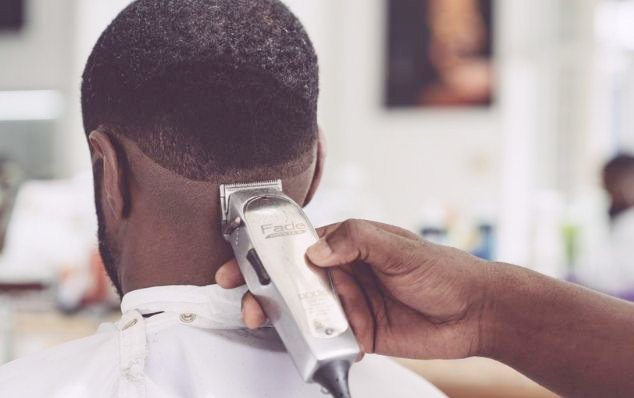
Extract from the article: Plusieurs outils comme la lame, le peigne, la tondeuse entrent dans les matériels de travail du coiffeur. Parmi ces outils, la tondeuse est le principal dans les salons de coiffure des hommes. Elle sert à débarrasser les cheveux de la tête et à resso
Several
tools such as blades, combs and clippers are part of the hairdresser's working
materials. Among these tools, the clipper is the most important one in men's
hairdressing salons. It is used to remove hair from the head and to bring out
the shape. But if not properly maintained, the clippers are also a vector for
the transmission of several diseases.
Many
men and women go in and out of hairdressing shops every day to have their hair
done and to make themselves beautiful. For this reason, no hairdresser can do
without clippers in the course of his or her work. A distinction is made
between mechanical and electric clippers, which are the most commonly used in
the workshops in Togo and elsewhere. From one client to another, the same
clippers are often used on the heads. This requires hairdressers to take
special care of this work tool. The lack of this attention exposes people to
many diseases.
Vectors
of disease transmission?
Several
diseases can be transmitted by the use of lawnmowers from one individual to
another, if this tool is poorly maintained. Thus, the risk of contracting
hepatitis B, C, AIDS and other blood-borne diseases is high. The clippers are a
tool that can injure the client during the hairdressing process. Even if the
injuries caused by this tool are mostly invisible to the naked eye, the chance
of contamination is not to be neglected. Also, even minimal and unnoticed blood
contact can transmit diseases. Some clients who have understood the risks
associated with this practice take steps to have their hair done by their
personal hairdressing kit. This is the case of Papa Martial, a bar owner who
said, « Since I saw a customer being cut by a clipper, and the
hairdresser used the same clipper to cut another person's hair, I have given up
using common clippers. I always keep my comb and clippers when I want to do my
hair. This prevents certain diseases that can be caught through blood in these
hairdressing places ».
Like
Papa Martial, many have an idea of the risks they run by having their hair done
with the same tools, but the lack of means means means that they limit
themselves to that for the moment. Nevertheless, they are quick to remind
hairdressers to clean the instrument from one client to the next. « Well,
I want to have my own clippers and keep them every time I want to do my hair.
Because, the clippers at the barber's here, you can easily catch the disease
from an infected person if you get hurt by mistake. But at the moment I don't
have the means to do that. But every time I come to do my hair, I tell the
hairdresser to clean the clippers properly, to wash them before putting them on
my head », said Sévérin, a customer he met in a hairdressing workshop
in the Adidogomé-Sagbadao district of Lomé. Hairdressers aware of the situation
are still trying to take measures to limit the damage.
Maintenance
measures used by hairdressers
Preventive
measures are taken, even if they do not always guarantee the health safety of
all concerned. Kokou, 28 years old, a young master hairdresser and owner of a
hairdressing workshop, says : « After a job is done, the clippers
are washed with bleach and cleaned with cotton and alcohol. This is a process
that is strictly adhered to. The blade on the razor is renewed after a
hairstyle. This limits the risk of contamination. Respecting this rule
guarantees the trust of many customers. We also gain the trust of our customers
by taking care of the hygiene of our working tools ».
Special
attention and care must be given to the working tools in the hairdressing
workshops. It is also important that each individual has an individual clipper
for safety.
William
O.