Best foods to prevent heart attacks
- Posted on 28/05/2025 10:59
- Film
- By raymonddzakpata@sante-education.tg
Extract from the article: Myocardial infarction (heart attack) occurs due to the complete blockage of a coronary artery or one of its branches. This happens through a combination of two mechanisms: first, arteriosclerosis—narrowing and hardening of the arteries—and second...
Myocardial infarction (heart attack) occurs due to the complete blockage of a coronary artery or one of its branches. This happens through a combination of two mechanisms: first, arteriosclerosis, narrowing and hardening of the arteries and second, thrombosis, which is the formation of a blood clot within the narrowed artery, completely obstructing blood flow. Taking care of the arteries is essential to reduce the risk of heart diseases, particularly heart attacks. Diet plays a major role in this. Here are some foods to include in your daily meals, alongside adopting a healthy lifestyle, to maintain healthy arteries.
Keeping your heart strong and healthy is essential, as men
are twice as likely as women to suffer a heart attack. Fortunately, simple
lifestyle habits such as healthy eating and physical activity can help prevent
up to 80% of premature heart disease and stroke.
Garlic
Garlic contains numerous sulfur-containing active compounds, including allicin.
In his book Taking Care of Your Arteries, cardiologist Dr. Patrick
Duriez highlighted its benefits in preventing cardiovascular risk: it helps
prevent fat deposits in arteries (atherosclerotic plaques and atherosclerosis),
reduces platelet aggregation (thrombosis), improves blood flow, and regulates
blood lipid levels. Allicin also has antioxidant properties that protect
arteries. Garlic is also known to be a vasodilator, helping lower blood
pressure.
Water
Water is the most essential beverage for heart health. A study presented at the
European Society of Cardiology Congress (August 27–30, 2021) showed that
staying well hydrated throughout life reduces the risk of heart failure—when
the heart muscle can no longer pump blood efficiently. Good hydration allows
the heart to pump blood more effectively, thus reducing the effort needed for
proper circulation and optimal muscle function.
Green Tea
Green tea is a true treasure for cardiovascular health. According to Dr. Natalia Dmitrieva of the National Heart, Lung, and Blood Institute (USA), its wealth of powerful antioxidants—especially epigallocatechin gallate (EGCG)—makes it an excellent ally in preventing plaque buildup in arteries and combating atherosclerosis. In other words, it helps keep arteries flexible and clear, significantly reducing the risk of heart disease.
Fatty Fish
A study published in The Journal of Clinical Investigation (October 2021) revealed that salmon, sardines, and mackerel help fight atherosclerosis (fatty deposits in artery walls). Researchers discovered that omega-3 fatty acids form molecules that can activate a receptor capable of stopping the inflammation process and combating disease. Once absorbed, omega-3s thin the blood and help reduce triglyceride levels that can clog arteries.
Avocado
Avocados contain healthy fats that help reduce the risk of strokes and heart
attacks. A study published in the Journal of the American Heart Association
found that avocado consumption is associated with a 16% reduction in
cardiovascular disease risk and a 21% reduction in coronary heart disease risk.
Furthermore, avocados contain antioxidants that protect blood vessel walls.
Tip: Avocado can replace unhealthy fats like butter or mayonnaise.
Gboma (African
Nightshade)
After a heart attack, damaged heart muscle cells can no longer contract, which may lead to heart failure. Gboma is rich in fiber, potassium, and folic acid, helping lower blood pressure and protect the arteries. Recent studies show gboma may reduce homocysteine levels, a known risk factor for cardiovascular diseases such as atherosclerosis.
Beetroot
Beetroot is renowned for its health benefits due to its richness in inorganic
nitrates. Naturally produced in the body, nitrates regulate blood pressure and
have anti-inflammatory properties. A study presented at the British
Cardiovascular Society Conference by researchers at Queen Mary University of
London showed that daily beetroot juice, high in nitrates, can increase nitric
oxide levels and reduce inflammation in blood vessels.
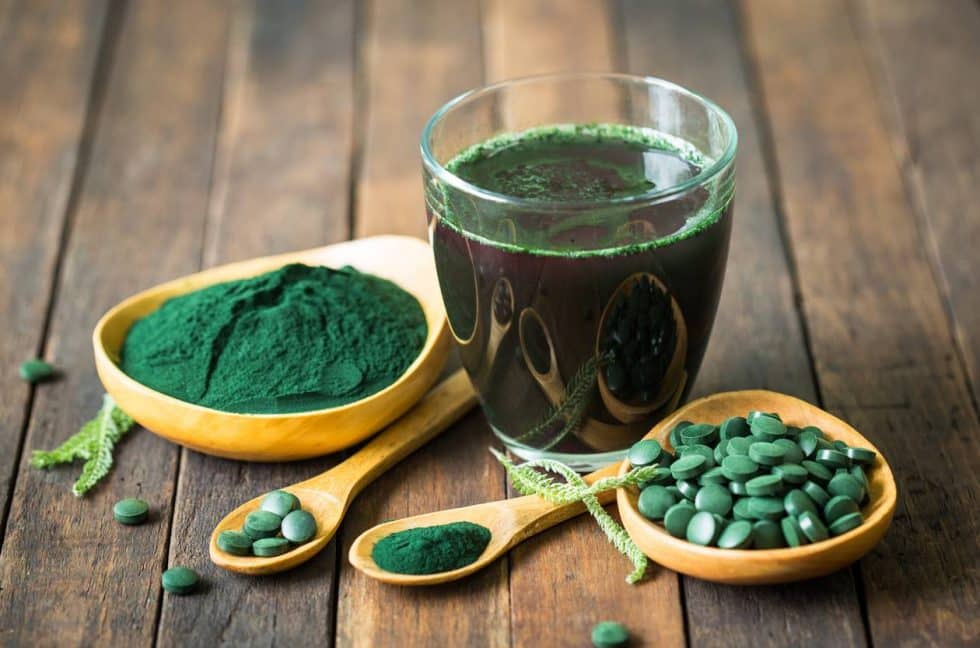
Spirulina
Spirulina is a microalgae that not only helps regulate blood lipid levels but
is also a complete protein, containing all essential amino acids the human body
needs. It’s rich in essential fatty acids, including alpha-linolenic acid,
which helps reduce arterial inflammation and improve cardiovascular health.
Kluiklui Oil (Peanut
Oil)
Kluiklui oil is rich in monounsaturated fats. It also contains vitamins E and B6, magnesium, and phosphorus. It is packed with polyphenols—antioxidant compounds that protect blood vessels from harmful fat deposits. When combined with a balanced diet, consuming kluiklui oil can reduce the risk of cardiovascular diseases.
Nuts
Nuts are packed with antioxidants and omega-3 fatty acids that benefit heart
health. They contain polyunsaturated fats, considered “good” fats for
cardiovascular health. These fats help prevent blood clot formation by lowering
blood lipid levels.
Turmeric
Adding turmeric to your diet can limit lipid peroxidation caused by free
radicals and reduce inflammation in artery walls. It prevents the buildup of
oxidized lipids in arteries, which are responsible for cardiovascular events.
Studies have also shown that high levels of curcumin in turmeric can reduce fat
deposits in arteries by up to 26%.
Watermelon
Delicious and heart-healthy, watermelon is an excellent source of the amino
acid L-citrulline, which can help lower blood pressure and protect arteries.
Researchers say this amino acid helps the body produce nitric oxide, which
dilates blood vessels.
Dark Chocolate
Dark chocolate, rich in cocoa, can protect the body thanks to flavonoids that help reduce bad cholesterol levels and prevent artery clogging. Vitamin B3 in dark chocolate also helps decrease arterial plaque buildup.
Tomatoes
A study led by researchers at the University of Verona, Italy, found that
lycopene—the antioxidant responsible for the red color of tomatoes—protects the
heart by preventing blood clot formation. Cooked tomatoes contain even higher
concentrations of this antioxidant.
Red Wine
A 2004 French study showed that very moderate red wine consumption improves blood pressure. In his book How (Not) to Have a Heart Attack, Dr. Fabien Guez explains that flavonoids and other compounds such as resveratrol found in red wine have protective effects on coronary arteries. Caution: while small to moderate amounts of red wine may be protective, excessive consumption can have harmful effects.
Mango
Mangoes contain a high concentration of polyphenols. Researchers from the UC
Davis Department of Nutrition have shown that these bioactive compounds improve
arterial elasticity. Their conclusion: mangoes are a heart- and vessel-friendly
fruit and may be a natural ally in reducing cardiovascular disease risk.
Abel OZIH