Tomatoes and their seeds: reducing stress and blood pressure
- Posted on 23/09/2025 11:50
- Film
- By kolaniyendoumiesther@gmail.com
Extract from the article: Tomatoes (Solanum lycopersicum) are one of the most widely consumed fruit vegetables in the world, eaten raw, cooked, in juice, concentrate or sauce. Beyond their taste and culinary versatility, they are rich in vitamins, minerals, fibre and phy...
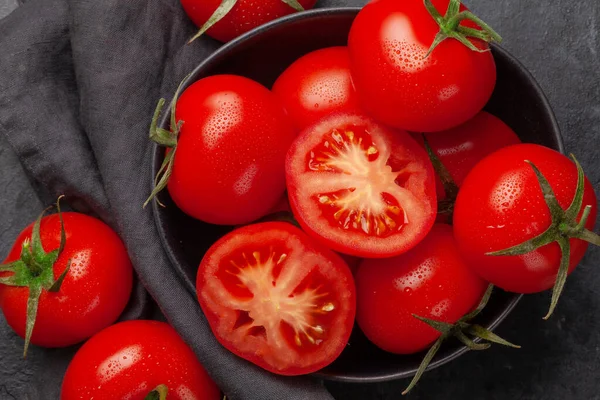
Tomatoes (Solanum lycopersicum) are one of the most widely consumed fruit vegetables in the world, eaten raw, cooked, in juice, concentrate or sauce. Beyond their taste and culinary versatility, they are rich in vitamins, minerals, fibre and phytochemicals (particularly lycopene), which give them numerous potential health benefits.
Behind
their apparent simplicity, tomatoes contain a cocktail of nutrients with proven
health effects. Tomatoes, including their flesh and seeds, help protect the
heart, skin and even mood. Tomato flesh
is mainly composed of water (>90%) and is low in calories, providing a good
source of micronutrients and phytochemicals, including vitamin C, pro-vitamin A
(β-carotene), vitamin K, and small amounts of B vitamins. They also contain
potassium, magnesium, phosphorus, fibre (especially in the skin and around the
seeds), lycopene (the main carotenoid pigment in red tomatoes), lutein,
zeaxanthin, flavonoids, and phenolic acids.
Preventing heart disease
and reducing the risk of stroke
The
study ‘Tomatoes: An Extensive Review of
the Associated Health Impacts of Tomatoes and Factors That Can Affect Their
Cultivation’ (2022) showed that a high intake of lycopene tomatoes is
associated with a reduced risk of cardiovascular disease and cardiovascular
mortality. Lycopene acts as an
antioxidant and anti-inflammatory, and tomatoes also provide potassium (which
helps regulate blood pressure).
Effect on blood pressure
A
study published in the European Journal of Preventive Cardiology (2023)
highlighted an association between regular consumption of tomatoes (or tomato
products) and a reduced risk of hypertension. Analysis of tomato juice showed a
modest decrease in systolic and diastolic blood pressure. Increased tomato
consumption is correlated with a reduced risk of hypertension, and
interventions with juice or extracts can lower blood pressure in at-risk
individuals.
Metabolic and
anti-inflammatory effects
Lycopene
and other antioxidant compounds found in tomatoes may help reduce oxidative
stress and chronic inflammation, factors involved in obesity, insulin
resistance and metabolic diseases.
Eye and cognitive health
Tomatoes
contain lutein and zeaxanthin, carotenoids linked to retinal health (protection
against macular degeneration), and there are associations between carotenoid
consumption and cognitive maintenance.
Why consume tomato seeds?
Seeds
(often included in the pulp, but sometimes removed in certain processes) are
far from being useless waste. Tomato
seeds contain proteins, lipids, dietary fibre, minerals and bioactive phenolic
compounds.
The seeds can be used to
enrich flour or functional foods. They promote intestinal health and satiety
and can help control blood sugar and lipid levels. The
antioxidants and phenolic compounds contained in the seeds help reduce
oxidative stress.
How to consume: in
fresh tomatoes, the vast majority of seeds are ingested without any problem,
for example in salads and homemade sauces.
Practical recommendations
Lycopene
is better absorbed after cooking. Cooked tomatoes and processed products often
offer higher lycopene bioavailability than raw tomatoes. Oil, heat treatment
and the state of the plant matrix promote the release and absorption of
carotenoids.
Eat tomatoes regularly
(raw, cooked and in homemade sauces) to benefit from lycopene and other
antioxidants; choose a variety (red, yellow) for a range of carotenoids.
Cook
tomatoes with a fat, such as peanut or coconut oil, to improve lycopene
absorption.
Do not systematically
discard the seeds, as they provide fibre and nutrients in homemade
preparations. If digestion is difficult, choose products where the seeds are
crushed or processed. It is therefore recommended to crush tomatoes with their
seeds to fully benefit from their healthy nutrients.
Raymond
DZAKPATA