School canteens in Togo: feeding children well
- Posted on 23/09/2025 13:50
- Film
- By kolaniyendoumiesther@gmail.com

Extract from the article: In Togo, school canteens play an essential role in children's educational success and health. They do more than just provide a meal; they are a real tool in the fight against malnutrition and a source of support for families. But what should these...
In Togo, school canteens play an essential role in children's educational success and health. They do more than just provide a meal; they are a real tool in the fight against malnutrition and a source of support for families. But what should these meals contain to ensure proper growth? And how can parents who do not have access to this service ensure that their children have a balanced diet?
According
to data released by the National Agency for Grassroots Development Support
(ANADEB) in early 2025, 161,630 pupils across the country will receive free
meals at school. The regional
distribution reveals a particular focus on the most vulnerable areas. The
Savanes region tops the list with 58,122 beneficiaries, followed by 33,754
pupils in the Plateaux region, 30,413 in Kara, 21,446 in Maritime and 17,895 in
Centrale. Launched as a simple project 17 years ago, the scheme took on a
national dimension in 2020 with the support of the World Food Programme (WFP)
and the World Bank. The aim is to curb school dropout rates, particularly in
rural areas, and to encourage children to stay in school, while combating child
malnutrition.
The importance of school
canteens
The
school canteen is not just a place where children eat, but a space that helps
reduce hunger in schools and promotes concentration, improves academic
performance, relieves parents, especially in rural or disadvantaged areas, and
promotes good eating habits from an early age.
What should children eat to
stay healthy?
A balanced meal should
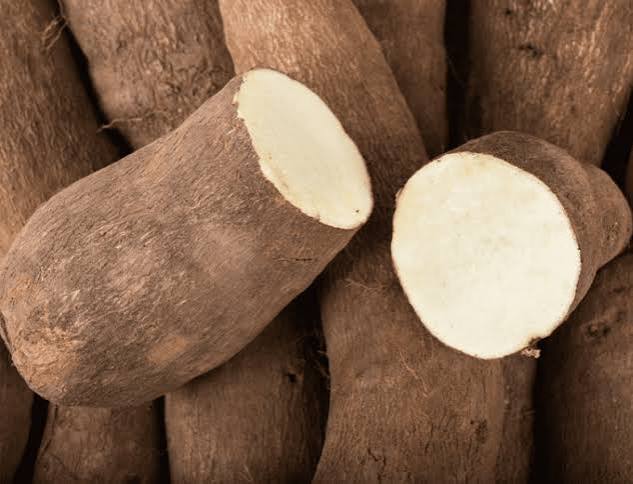
contain starchy foods (corn, rice, yams, cassava) which are a source of energy,
proteins (beans, soybeans, eggs, fish, meat, milk) essential for growth, vegetables
and fruit (tomatoes, carrots, green leaves, mangoes, papayas, oranges) rich in
vitamins and minerals, good fats (vegetable oil, peanuts, avocado) important
for brain development, and water, avoiding sugary drinks.
Advice for parents without
access to school meals
Not
all parents can enrol their children in school meals. But it is possible to
ensure a good diet at a lower cost with a few tips. Prepare a homemade lunch
box with a little rice or pasta with bean or vegetable sauce and a piece of
fruit.
Choose local products such as soybeans, beans, corn or cassava, which are easily accessible and nutritious. Vary meals, for example, by alternating starchy foods (yam, rice, pasta), sometimes adding an egg or a small piece of dried fish.
You should also give them a
simple but nutritious breakfast, such as enriched porridge (corn + peanuts +
soybeans), bread with peanut butter, or doughnuts accompanied by fruit. Also,
fill a water bottle with drinking water to avoid the sugary drinks often sold
near schools.
A
well-fed child is a child who learns better, gets sick less often and has every
chance of building a promising future.
Raymond
DZAKPATA
Source: ‘republiquetogolaise.com’