The family living environment: essential for health
- Posted on 09/04/2026 09:09
- Film
- By raymonddzakpata@sante-education.tg
Extract from the article: In African societies in general, and Togolese societies in particular, health does not depend solely on medical care. It is strongly influenced by the family living environment, that is to say, the setting in which family members live their daily...
In
African societies in general, and Togolese societies in particular, health does
not depend solely on medical care. It is strongly influenced by the family
living environment, that is to say, the setting in which family members live
their daily lives.
The
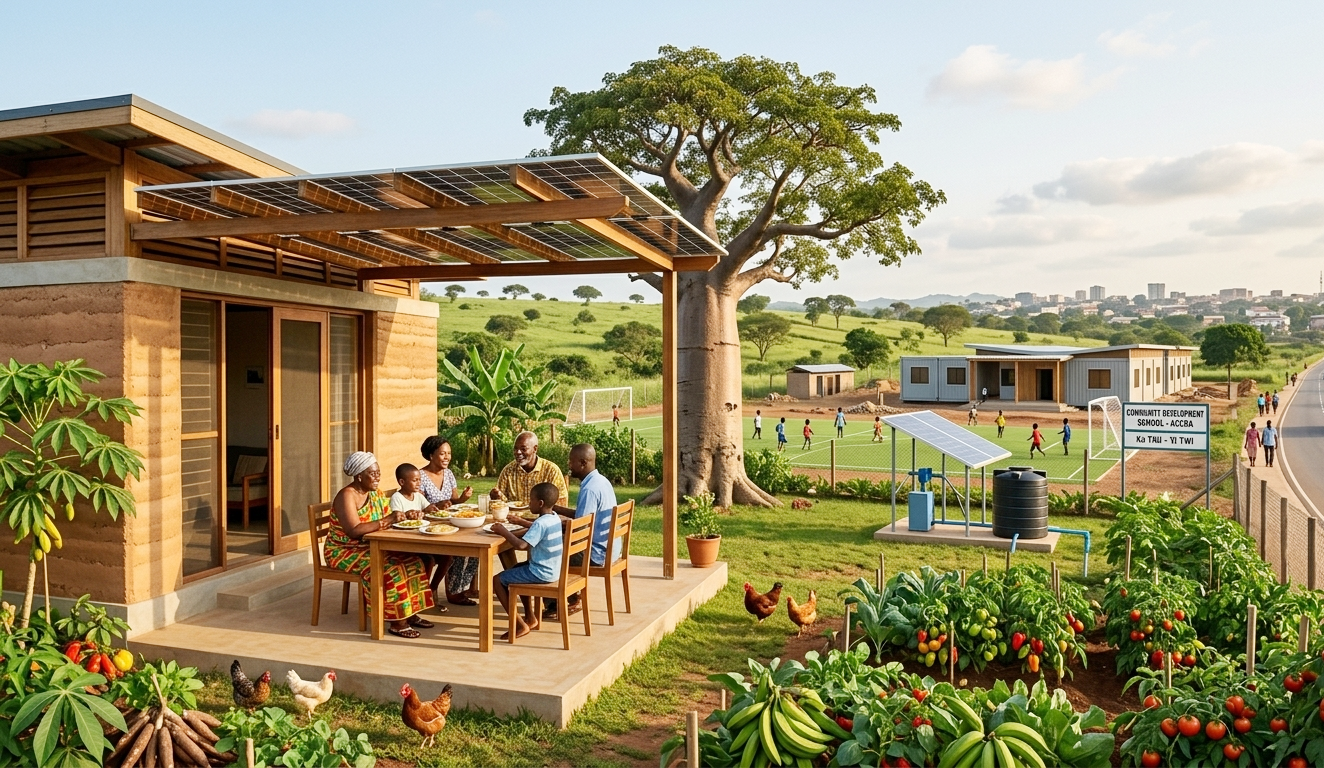
family living environment refers to the overall material, social and
environmental conditions in which a family lives. It includes, amongst other
things: housing (quality, space, ventilation), access to drinking water and
sanitation, domestic hygiene, diet, the immediate environment (neighbourhood,
pollution, nuisances), family relationships and the social climate.
The
living environment is the primary space for living and learning, directly
influencing physical and mental well-being.
Living
environment and health
An
unsuitable living environment can be the cause of many diseases. For example,
in Togo, periods of rain and flooding lead to stagnant water, which is
conducive to the proliferation of mosquitoes responsible for malaria and other
waterborne diseases. Similarly, the lack of adequate latrines or poor waste
management in many homes can lead to diarrhoeal diseases such as cholera.
In
terms of nutrition, an unbalanced diet linked to family habits or economic
constraints can contribute to malnutrition or diseases such as diabetes. A
stressful family environment characterised by quarrels, conflicts, insecurity
and rivalry, particularly in communal living spaces, can affect mental health,
especially in children.
Conversely,
a healthy living environment helps prevent disease, strengthen the immune
system and improve quality of life.
Improving
your living environment
There
are several simple measures, tailored to the Togolese context, that can be
implemented:
Improve
hygiene: wash your hands regularly, keep your home clean, cover
food
Improve
the environment: avoid standing water, manage household
waste properly
Access
safe drinking water: use safe or treated water (boiled or
filtered)
Adopting
a balanced diet: prioritising local produce (vegetables,
fruit, cereals)
Ventilating
homes: reducing the risk of respiratory infections
Strengthening
family ties: encouraging dialogue and a peaceful
atmosphere
It
is also essential to raise awareness among families about prevention through
vaccination, the use of insecticide-treated bed nets, and to promote health
education. Local authorities and communities also play a key role in improving
living conditions by ensuring access to safe drinking water, improving waste
management and urban planning.
The
family environment is a fundamental pillar of health. By recognising its
importance and adopting good practices, every family can help protect and
improve the health of its members.
Gamé
KOKO
Source:
WHO