
Health coverage in Togo with infrastructures and disease prevention strategy
- Posted on 28/09/2023 18:21
- Film
- By abelozih@sante-education.tg
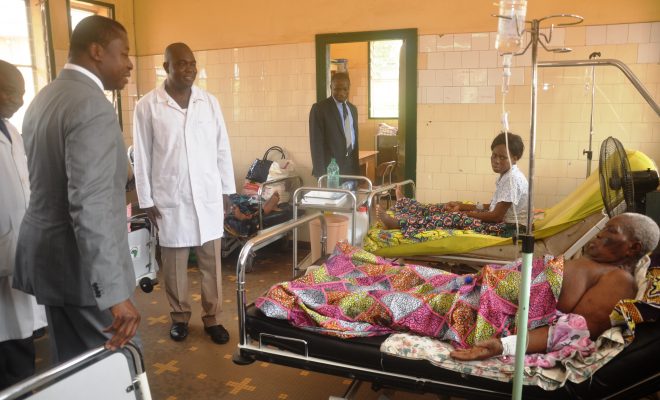
Extract from the article: Guaranteeing access to quality healthcare for all is one of the main objectives set by the Togolese government in 2018. This ambition of universal health coverage by 2025 is being achieved by building and equipping health centres and making qualified
Guaranteeing
access to quality healthcare for all is one of the main objectives set by the
Togolese government in 2018. This ambition of universal health coverage by 2025
is being achieved by building and equipping health centres and making qualified
human resources available in disadvantaged regions.
The
« Quality Essential Health Services for Universal Health » (SSEQCU)
project, launched in 2021, has so far enabled the renovation of medical and
maternity units, accommodation for health centre staff and 60 health centres in
the northern region of Togo. These actions account for only 10% of the total
project budget of 40 billion CFA francs.While rural areas are given priority in
this health infrastructure construction policy, urban areas are not left out.
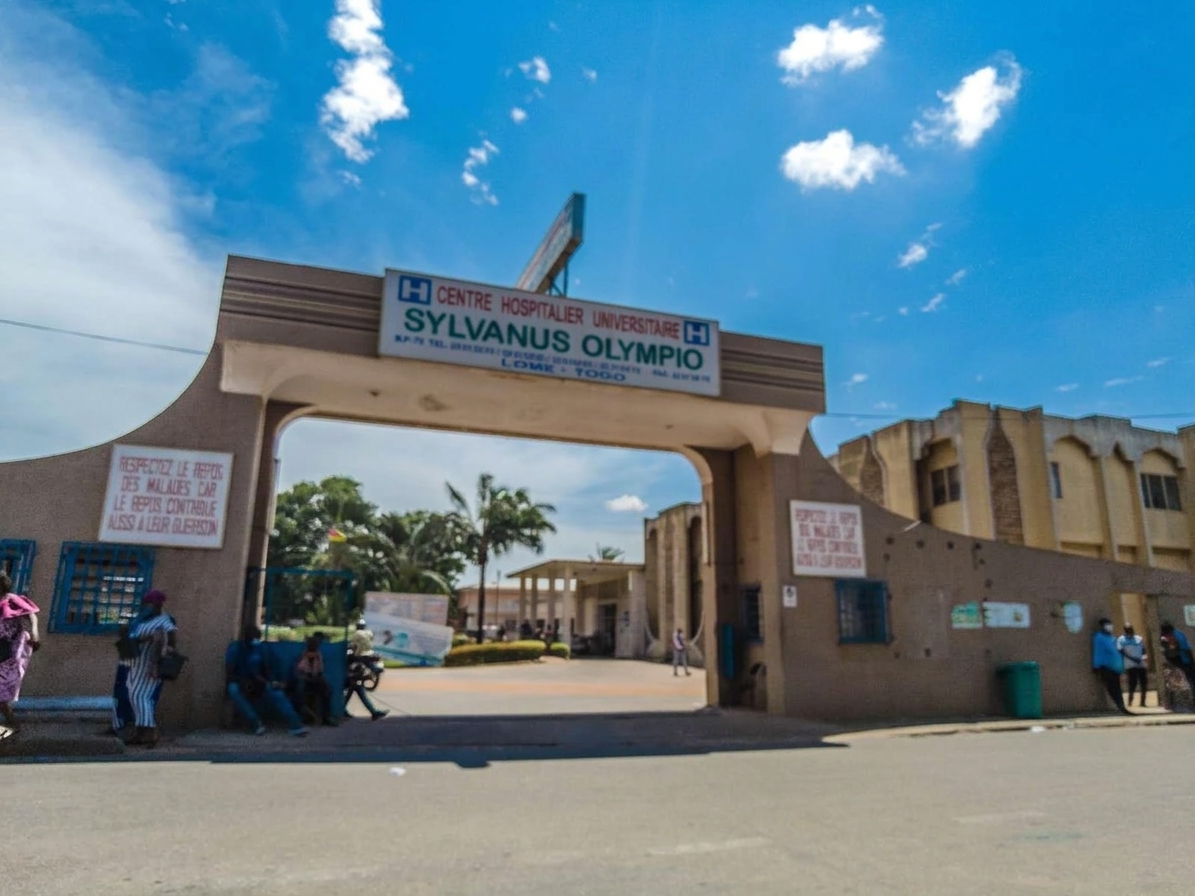
Health facilities are being upgraded, notably at the CHU Sylvanus Olympio,
which will be equipped with a new scanner in July 2023, and new infrastructure
is being built. This is the case of the
Dogta Lafie hospital, inaugurated in April 2023 by the President of the
Republic in the northern suburbs of Lome, which has state-of-the-art imaging
facilities, six (6) operating theatres including two (2) hyper aseptic
operating theatres meeting international standards, one hundred and sixty (160)
beds and places, and twenty-two (22) consultation rooms.
The
ambition of universal health insurance in Togo is one of the pillars of the
government's health policy.It has focused on women through the WEZOU programme,
which provides healthcare for pregnant women and newborn babies.By December
2022, a total of nearly 290,000 women had enrolled and 1,316,113 services had
been provided, including 281,796 prenatal consultations and 148,275
deliveries.Today, health insurance is gradually being extended to all levels of
society, including SYNJIT journalists and those working in the informal sector,
with the aim of becoming universal and accessible to all Togolese through the
"tontine insurance" system.
These
initiatives support the health systems put in place through the various disease
control programmes that have been implemented in Togo for decades.These include
programmes to combat malaria, AIDS and non-communicable diseases, with an
emphasis on the fight against psychoactive substances.More than a billion
people in the world smoke, around a quarter of all adults, and almost 6 million
people die every year from the harmful effects of smoking.Aware of the threat
posed by smoking, Togo is resolutely committed to combating this scourge
through a number of actions, including the ratification on 15 November 2005 of
the WHO Framework Convention on Tobacco Control (FCTC), the establishment of a
national tobacco control programme, and the adoption of the Tobacco Control
Act, the adoption of the Tobacco Control Act No. 2010-17 of 31 December 2010
and its implementing regulations, and recently the National Programme on
Addiction to Psychoactive Products (PNAPP), which is helping to improve access
to care for people with problems using psychoactive substances.
An
awareness-raising approach aimed at young people, who are at the front line of
tobacco consumption, has also been adopted by the authorities, in particular
the Minister for Youth, who are increasingly using social media to reach this
target group, which is so important for development.As a reminder, the sale and
consumption of chicha is banned and punished in Togo.
Merveille
MESSAN
Source.
gouv.tg