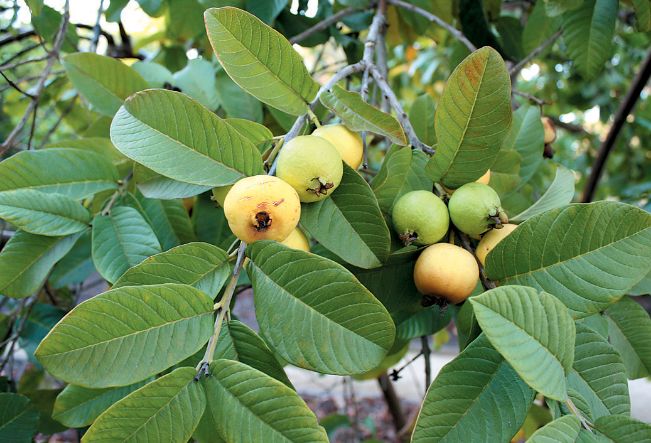

Eucalyptus leaves: treat sinusitis and coughs
- Posted on 27/10/2023 13:49
- Film
- By abelozih@sante-education.tg

Extract from the article: Eucalyptus is a tree native to Australia, widely known for its benefits for the respiratory tract. What are the properties of eucalyptus and how is it used for lung health?
Eucalyptus
is a tree native to Australia, widely known for its benefits for the
respiratory tract. What are the properties of eucalyptus and how is it used for
lung health?
Eucalyptus is a tree widely used in traditional medicine for its virtues. Eucalyptus contains a variety of active compounds, but the essential oil extracted from its leaves is particularly rich in eucalyptol, also known as 1,8-cineole. This substance is mainly responsible for its benefits for the respiratory tract.
Good
respiratory health
Eucalyptus
has anti-fungal, anti-bacterial and expectorant properties. It is used in cases
of bronchitis, rhinopharyngitis or laryngitis to ease coughs and liquefy
bronchial sputum. It can also be extremely effective against colds, flu and
sinusitis, as well as urinary tract infections and candidiasis (fungal
infections).
Inhaling
eucalyptus vapours helps to clear blocked nasal passages, making breathing
easier and reducing congestion. Eucalyptol, the main active compound in
eucalyptus oil, has anti-inflammatory properties that help soothe inflammation
of the respiratory tract, relieving coughing and throat irritation.
Eucalyptus
infusion (30g of leaves per litre of water) is a powerful expectorant and mucus
thinner. It has an established reputation for relieving chronic or acute
bronchitis.It increases secretions by acting directly on bronchial cells and
destroying mucus. As a result, it has an anti-cough action, which is reinforced
by an antiseptic action, as eucalyptus inhibits the development of bacteria and
fungi. Some scientific research suggests
that eucalyptus may have antiviral properties that can help combat the viruses
responsible for the common cold.
A
study conducted in Israel to investigate the effects of aromatic essential oils
on patients suffering from upper respiratory tract infections demonstrated the
effectiveness of an essential oil compound that included the oils of two types
of eucalyptus.Just 20 minutes after administration, patients began to feel an
improvement in their throat and cough.
Recipe
1: Take 15 dried eucalyptus leaves in 1 litre of water. Boil for about 15 to 20
minutes. Leave to stand and filter.Drink 1 cup 3 times a day (morning, noon and
evening). Add honey if necessary to
soften the taste and soothe the throat.
Recipe:
Its essential oil (EO) is good for lowering infectious fevers, boosting the
defence system and helping to thin coughs and asthma. To boost immunity: 05
drops of EO in 5 drops of a local vegetable oil, rub into the face, nape of the
neck and back.
Antipyretic:
2 drops + 1 teaspoon of good honey or on a sugar cube and suck 3-4 times a
day.You can make a tea of the leaves with lemon and lemongrass and then drink:
15 medium lemons + 05 handfuls of fresh leaves + 03 handfuls of Adémè. Cut the
lemons in half, put half at the bottom of the pot, then put the leaves and the
rest of the lemons on top, then cover with water and prepare for 45-60 min with
the lid half open.Adult: 1 glass of bamboo (1/4 L) 2-3 times a day.Adolescent:
half the adult dose. Children: half the teenage dose.
Precautions: Be
aware that there are almost 500 species of eucalyptus, but that they all have
similar properties. Eucalyptus essential oil is not recommended for pregnant or
breast-feeding women or young children. As a precaution, ask your doctor or
pharmacist for advice.
Raymond
DZAKPATA