
Diabetes: the need to know the glycaemic index of foods
- Posted on 13/11/2023 18:03
- Film
- By abelozih@sante-education.tg
Extract from the article: There is no single diet that is right for everyone with diabetes. Every diabetic is unique in terms of his or her tastes and food preferences. However, controlling the carbohydrates consumed is essential to keep blood sugar levels within the desired
There
is no single diet that is right for everyone with diabetes. Every diabetic is
unique in terms of his or her tastes and food preferences. However, controlling
the carbohydrates consumed is essential to keep blood sugar levels within the
desired limits. In the African context, the diet is more carbohydrate-based,
based on starchy foods (cereals, tubers), so it's important to have an in-depth
knowledge of the different types of food you eat regularly and prefer to have
on your plate. Being able to assess carbohydrates by their glycaemic index
gives you the freedom to make appropriate choices according to your blood sugar
levels, to ensure better control of your diabetes. Leading a healthy lifestyle
and following all your doctor's instructions are essential for controlling
diabetes.
Not
all foods raise blood sugar levels in the same way. Depending on their
glycaemic index, the body will react differently.Foods with a high glycaemic
index raise blood sugar levels more quickly than those with a medium or low
glycaemic index.The latter are recommended for people with diabetes.Also, when
eating carbohydrates with a high glycaemic index, it is advisable to combine
them with others with a low glycaemic index, or even vegetables, which are able
to counteract the rise in blood sugar levels they cause.
The
glycaemic index is very important
To
plan your diet properly and choose the most appropriate ingredients, you need
to know the type and quantity of carbohydrates contained in each food group. Foods
containing starch are among those with high glycaemic indices and should
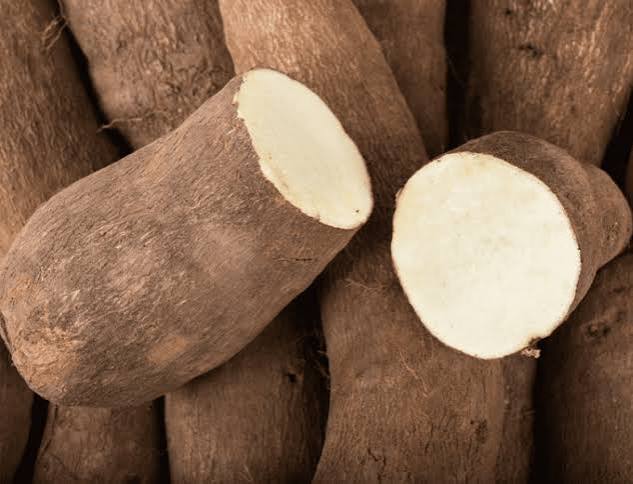
therefore be eaten in moderation. This is the case with maize, wheat, millet
and tubers (yams, taro, sweet potatoes, potatoes, etc.). Meals based on these
products tend to raise blood sugar levels and therefore put a strain on the
pancreas.
Cereals
(wheat, rice, oats) and their derivatives, such as the flour used to make
bread, cakes and doughnuts, are one of the main sources of carbohydrates. For better diabetes control, it is important
to limit the quantities consumed and pay attention to the degree of refinement.
As a general rule, specialists recommend opting for wholegrain cereals and
flours, which provide many more nutrients and have a lower glycaemic index.If
you want to control blood sugar levels, processed products made from refined
flour are undesirable because they have a high glycaemic index.In fact, they
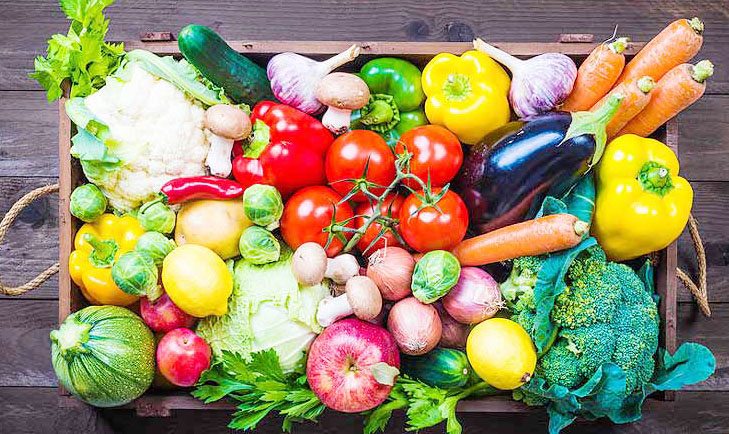
often contain large amounts of added sugar. On the other hand, non-starchy
vegetables such as cabbage, lettuce, spinach, green beans, peppers, tomatoes,
chard and carrots contain very few carbohydrates and have a low glycaemic
index. They are also rich in vitamins, minerals and fibre.They are therefore
great allies in the diets of diabetics.
Fruit
is an excellent source of vitamins, minerals and other micronutrients such as
antioxidants. However, many sweet fruits contain fructose, a sugar that can
give certain varieties of fruit a high glycaemic index, so it's best to eat
certain fruits in moderation, such as oranges, mangoes, pineapple and
papaya. Fruit should be included in
the diet because of the nutrients it provides. Lemons, mandarins, kiwis,
avocados, watermelons and melons are low in carbohydrates and provide
antioxidants and vitamins.If you opt for dried fruit such as dates, you need to
be more careful with portions.
Tips
for managing diabetes
To
manage diabetes, you need to control what you eat. If you're still hungry when you've finished
eating, you can eat a non-starchy vegetable salad with a light vinaigrette.
Incorporating very few carbohydrates will make you feel fuller. Choose
wholemeal products rather than refined products. Replace ingredients with a
high glycaemic index with others with a lower index. For more information, consult a health
professional.
William
O.
Article
validated by Dr Abdou Razak Moukaila, Internist and Diabetologist at Hôpital
Sainte Joséphine Bakhita (Lomé)