
Diabetes care: strengthening healthcare providers through therapeutic patient education
- Posted on 21/10/2025 12:31
- Film
- By abelozih@sante-education.tg

Extract from the article: The NGO Mutualistes sans frontières, in collaboration with the non-communicable disease surveillance division, is organizing a training workshop on therapeutic education for type 2 diabetes patients in Lomé from October 17 to November 3, aimed at aro
The
NGO Mutualistes sans frontières, in collaboration with the non-communicable
disease surveillance division, is organizing a training workshop on therapeutic
education for type 2 diabetes patients in Lomé from October 17 to November 3,
aimed at around 50 healthcare providers in Greater Lomé. The goal is to enable
caregivers to better support patients in the daily management of their
diabetes.
Faced
with the silent but alarming spread of diabetes in Togo, experts agree on one
essential point: medical care is no longer enough. The most powerful weapon for
the long-term fight against this chronic disease is in the hands of healthcare
providers... provided they are trained in therapeutic patient education (TPE).
During
these training days, general practitioners, pharmacists, paramedics, diabetes
educators, and peer educators will gain a better understanding of the
pathophysiology and risk factors of diabetes, master national screening and
monitoring protocols, and deepen their knowledge of therapeutic patient
education (TPE). Through this training, they will be well equipped to support
communities in promoting healthy lifestyles. The training is provided by Dr.
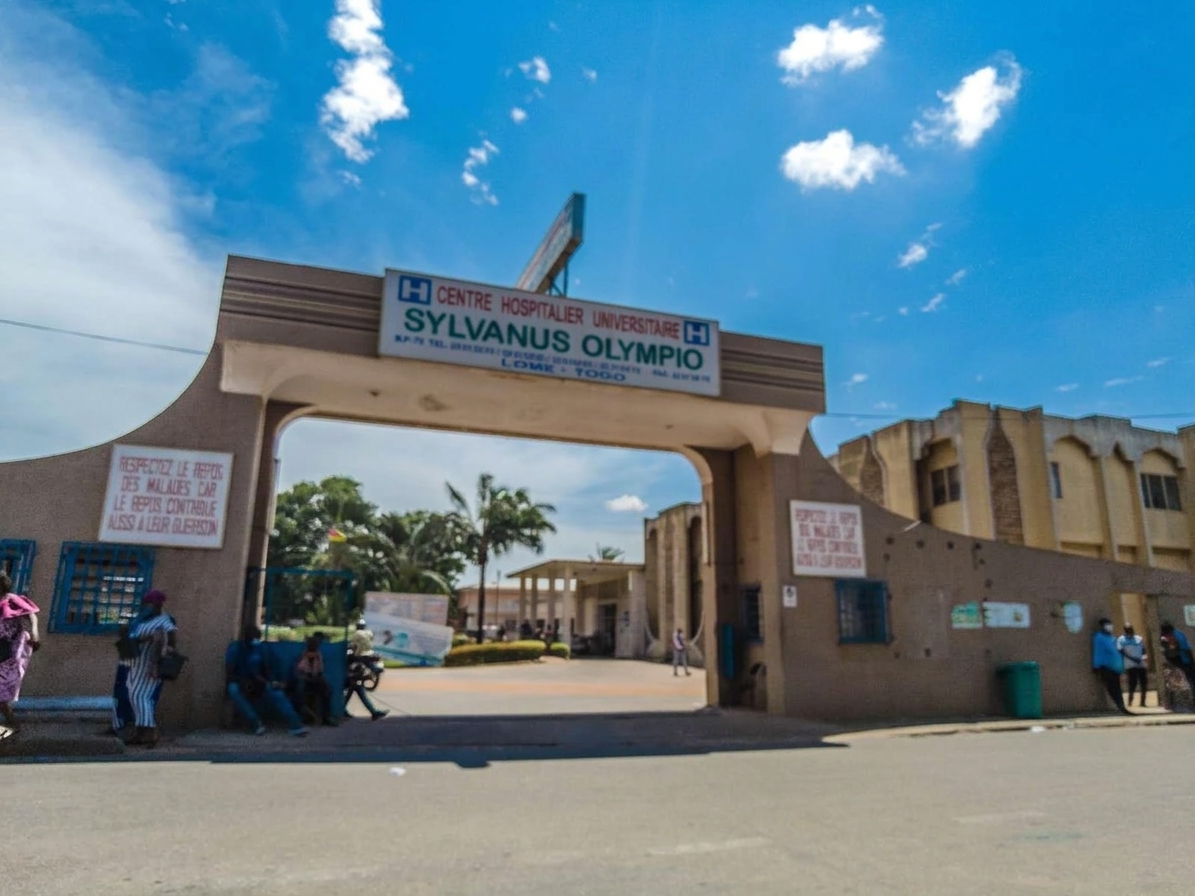
Serges Kodjo, endocrinologist, diabetologist, and nutritionist at Sylvanus
Olympio University Hospital, and Ms. Patricia Cohen Solal, state-registered
nurse (IDE) and dietitian from Nice, France.
It
is part of the « Maison du Diabète » (Diabetes House) project, which
is a facility for patients with type 2 and gestational diabetes. The aim of
this project is to promote the prevention of health risks associated with
diabetes and to develop a prevention and support program in collaboration with
French and Togolese health professionals and specialists. The « Maison du Diabète » project
is supported by the Bè Development Committee, the Bè Community Center, the Gulf
Town Halls, the Maison du Diabète et des Risques Cardiovasculaires des
Alpes-Maritimes, and Mutualistes Sans Frontières.
Therapeutic education, an integral and
permanent part of patient care
According
to the 2021 STEPS survey, the prevalence of diabetes among the population aged
18 to 69 is 4.9%. Given this situation, therapeutic education for diabetic
patients is emerging as a key strategy for improving care, promoting patient
autonomy, and preventing complications.
According
to Dr. Serges Kodjo, therapeutic education is not just a « lesson »
given to the patient, but a dialogue, a joint effort to develop a care plan with
the patient, taking into account their priorities, constraints, and resources. « Healthcare
providers must give patients knowledge about their disease (type of diabetes,
possible complications, role of diet, exercise, treatments) and teach them
skills to manage their daily lives and, above all, encourage them to take an
active role in their own health », he says.
Therapeutic
patient education consists of helping patients acquire skills to better manage
their illness. It involves a continuous, interactive approach centered on the
individual and their experience. Studies conducted in other West African
countries, such as Benin and Mali, show that patients enrolled in TPE programs
have better glycemic control, take their medication more regularly, and adopt
more sustainable health behaviors. TEP, adds Patricia Cohen Solal, improves the
quality of life of people with diabetes and reduces the number of diabetes
complications by improving glycemic control and monitoring. “Therapeutic
education is an essential tool in the management of chronic diseases, necessary
for motivation and the acquisition of appropriate knowledge, skills, and
attitudes by the patient,” said Ms. Cohen Solal.
The
vice president of the NGO Mutualistes Sans Frontières, Ms. Nora Mallem,
reaffirmed her commitment to strengthening local capacities for better
management of chronic diseases, using a humane, supportive, and sustainable
approach.
Professor
Mofou Belo, head of the non-communicable disease surveillance division, showed
that the prevalence of diabetes is constantly increasing, linked to lifestyle
changes, rapid urbanization, sedentary lifestyles, and unhealthy eating habits.
This situation calls for an urgent, coordinated, and sustainable response based
on prevention, early detection, and adequate care for those affected, he
recommended.
The
fight against diabetes will not be won solely in laboratories or hospitals, but
also in health centers, homes, markets, villages, etc., through better-trained caregivers
who are able to convey the right actions and information. The future of
thousands of Togolese diabetes patients depends on it.
William O.