
Hand hygiene: small act for a great effect
- Posted on 03/10/2022 22:08
- Film
- By abelozih@sante-education.tg
Extract from the article: The hand, an essential tool of the human body, is constantly in contact with the environment. This multi-functional organ
The hand, an essential
tool of the human body, is constantly in contact with the environment. This
multi-functional organ is also the most important means of transmitting
micro-organisms if it is not hygienically maintained. With the reduction in
barrier measures against Covid-19, many people have also slowed down this
healthy hygienic practice.
A simple everyday act,
hand washing done properly has great positive consequences on health. Hand
washing is one of the best ways to protect yourself and your family from
disease. On the surface, a contaminated hand may look clean, but contact with
mucous membranes in the mouth, nose, eyes, or non-intact skin can lead to
infection such as diarrhoea, flu, or conjunctivitis. One example of reducing
contamination through hand washing is coronavirus disease (Covid-19).
When to wash your
hands?
It is recommended to
wash your hands before preparing food, after blowing your nose. After coughing
or sneezing with your hands against your mouth, or even after using the toilet,
you should practice this hygienic measure.
It is often noticed
among the good ladies who sell food at the roadside, that after handling their
smartphones, they get up abruptly without trying to wash their hands. So they
start serving the customer. Beware of the risk of contaminating the food. This
should be avoided.
In hospitals, visitors
and carers who come into contact with patients must ensure that their hands are
clean. This is to prevent the transmission of germs and thus avoid infections,
for example, when entering and leaving the patient's room. It is recommended
that carers always disinfect their hands with a hydroalcoholic solution at
specific times to protect themselves and the patient. This
rule is put into practice before touching the patient, before carrying out a
manipulation or an invasive act: taking blood samples, placing a catheter or a
urinary probe. It is also advisable to wash hands when there is a risk of
exposure to body fluids or mucous membranes of the patient: when emptying the
urine bag, and after contact with objects or surfaces in the immediate
environment of the patient: bed, night table.
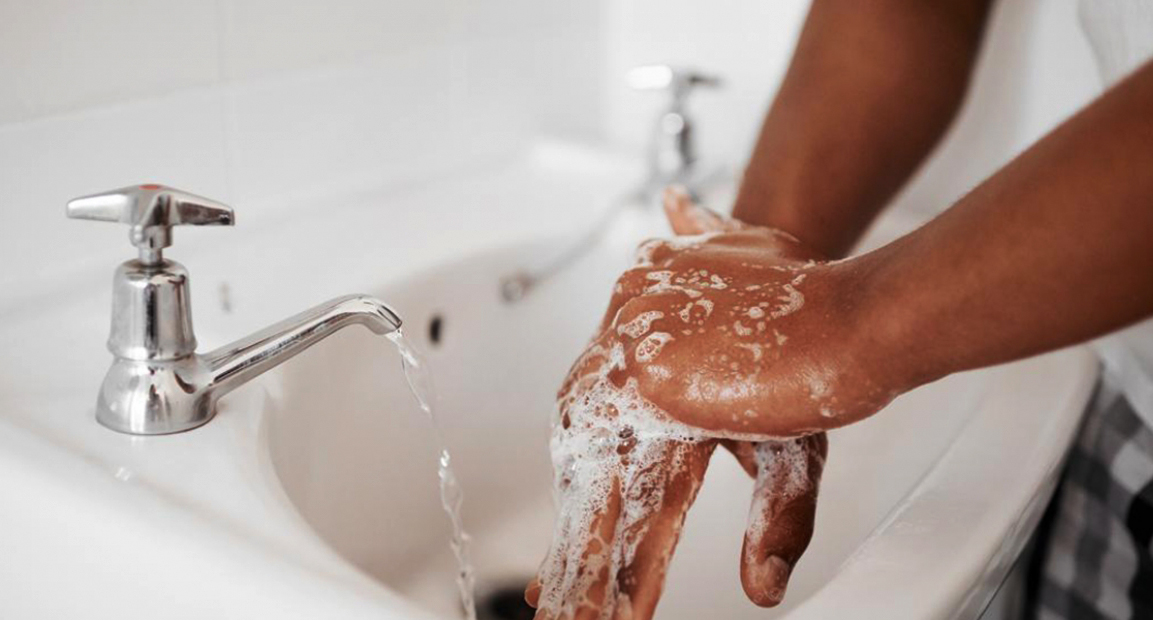
The right gestures
In order to have
optimal hand hygiene, the washing must be applied to the entire surface of the
hand. Bacteria like warm and humid places. This is why, when washing
your hands, it is advisable to remove your jewellery and not to neglect the folds
and long nails, which are real nests for bacteria. After washing for
at least twenty to thirty seconds, dry your hands with a dry, clean or
disposable cloth.
Raymond DZAKPATA