
Undercooked meat: possible infections
- Posted on 21/11/2022 18:39
- Film
- By abelozih@sante-education.tg
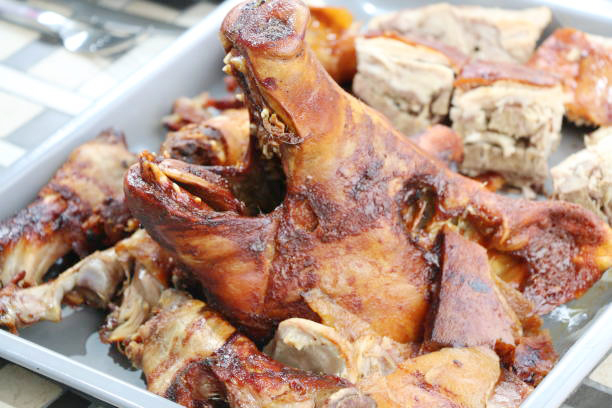
Extract from the article: Escherichia coli, also known as E. coli, is a common bacterium in the intestines of humans and other warm-blooded animals. While most strains are harmless, some are pathogenic and can cause serious foodborne illness. E. coli infections are usually ca
Escherichia coli, also known as E. coli, is a common bacterium in the intestines of humans and other warm-blooded animals. While most strains are harmless, some are pathogenic and can cause serious foodborne illness. E. coli infections are usually caused by food poisoning through the consumption of undercooked meat or raw milk.
E. coli is a bacterium that makes up 80% of the intestinal flora, so it is naturally present. It prevents other strains of disease-causing bacteria from colonising the intestinal flora and is involved in the production of vitamin K, which helps blood clotting. While most strains of E.coli are harmless, some are pathogenic.
Symptoms of infection
Symptoms caused by pathogenic strains of E.coli appear between 3 and 8 days after infection. They include abdominal pain and diarrhoea, which may progress to bloody forms. Vomiting and fever may also occur. At the same time, the toxins produced by these bacteria destroy the lining of the blood vessels and cause clotting problems and high blood pressure. In 10% of infected people, these toxins cause serious health problems, characterised by impaired kidney function and a drop in the concentration of blood cells (red blood cells and platelets).
Transmission to humans
Transmission of E. coli pathogens occurs mainly through the consumption of contaminated food. The products concerned are generally raw or undercooked meat, raw milk products and, more rarely, raw vegetable products. As the natural reservoir of these bacteria is mainly the digestive tract of cattle, contamination can also occur during milking or slaughter of these animals. Ruminant faeces in soil, manure and water from ponds or streams are also a possible source of contamination. Human-to-human transmission is also possible, but occurs more rarely. In the majority of cases, it occurs from children to adults, for example when washing infants.
Prevention
Current knowledge does not allow the incidence of these strains in cattle populations to be reduced. However, it is possible to determine whether an animal is a carrier of the bacteria by testing. If it is, the meat can be treated with a bactericidal treatment, which consists of heating or irradiating it. These techniques, although effective, do not always guarantee the absence of these pathogenic strains of E.coli in food. To effectively prevent E. coli infections, strict hygiene practices must be followed throughout the food chain, from producer to consumer.
Elom AKAKPO