

Blood in the mouth: possible causes
- Posted on 06/10/2023 14:38
- Film
- By abelozih@sante-education.tg
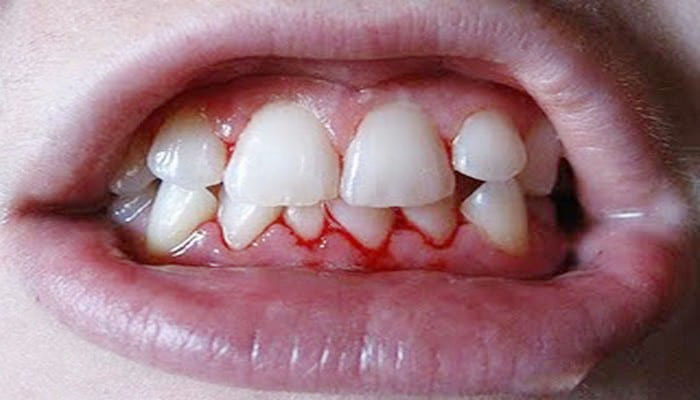
Extract from the article: One morning, you notice blood in your saliva. The sight of this blood is worrying. Is it normal? Why should it be? According to Dr Jean-Claude Bakpatina, General Practitioner at the Floréal clinic in Lomé, medication, poor dental hygiene and tumours
One
morning, you notice blood in your saliva. The sight of this blood is worrying.
Is it normal? Why should it be? According to Dr Jean-Claude Bakpatina, General
Practitioner at the Floréal clinic in Lomé, medication, poor dental hygiene and
tumours may be to blame.
Some
people find that they have blood in their mouth, even if it's only a small
amount. The presence of blood in the mouth can have various origins.
Poor
dental hygiene
Spontaneous
bleeding from the mouth is often caused by inflammation of the gums, which
swell and become red, sometimes accompanied by widespread sensitivity of the
teeth to hot and cold. This is gingivitis. Dr Jean-Claude Bakpatina, General
Practitioner at the Floréal clinic in Lomé, explains that « without
regular, daily brushing, the bacteria in the mouth build up on the teeth,
causing plaque and tartar to infiltrate the gums. Tartar deposits are formed
partly by saliva and partly by blood in the event of gum bleeding ».
Brushing
your teeth 2 or 3 times a day is often enough to prevent it. « It's
also important to have your teeth checked 1 or 2 times a year. Be careful: aggressive brushing that is too
intense or too frequent can also be a cause. Use a soft toothbrush », advises
Dr Jean-Claude Bakpatina, General Practitioner. Periodontitis can follow on
from gingivitis. A more serious condition, it affects the deeper structures of
the gums, such as the tissues supporting the teeth. This can lead to tooth
loss.
The
presence of a tumour
The
first thing to determine about bleeding from the mouth is whether it is
actually blood coming from the mouth or whether it appears as a result of
clearing the throat or coughing.
According to Dr Jean-Claude Bakpatina, if this bleeding persists over time, even if only slightly, it is important to consult a doctor.This could be a serious pathology, such as cancer of the mouth, aerodigestive tract or lungs. « Whether benign or malignant, a tumour in the oral cavity or tongue often leads to spontaneous bleeding. Alcohol and, above all, tobacco are the two main factors contributing to the development of tumours, particularly oral cancers.Alcohol and, above all, tobacco are the two main factors contributing to the development of tumours, particularly oral cancers. The combination of the two increases the risk », he warns.
A
side effect of taking medication
Certain
medications can increase the risk of bleeding gums. The GP points out that « spontaneous
bleeding is a side effect of long-term treatment. You need to talk to your doctor about this.It
could be a sign of overdose.It can lead to major haemorrhaging or chronic
anaemia ».
High
hormone levels
Certain
conditions can lead to gingivitis and gingivorrhagia. « This is the case with hormonal
disturbances in women during very specific periods such as puberty and the
menopause. This is also the case during pregnancy, when benign gravid
gingivitis can be observed due to hormonal impregnation », points out
the specialist.
A
gum disease
« When
bleeding is frequent, it is important to consult a dentist to find out whether
you have developed gum disease such as gingivitis or periodontitis. Both of
these conditions require special care», emphasises Dr Bakpatina.
In fact, recurrent gingival bleeding is often the manifestation of gingivitis
of bacterial origin. If this inflammation is not eliminated, it will slowly but
progressively lead to periodontitis. This can lead to loss of tooth attachment.
William
O.