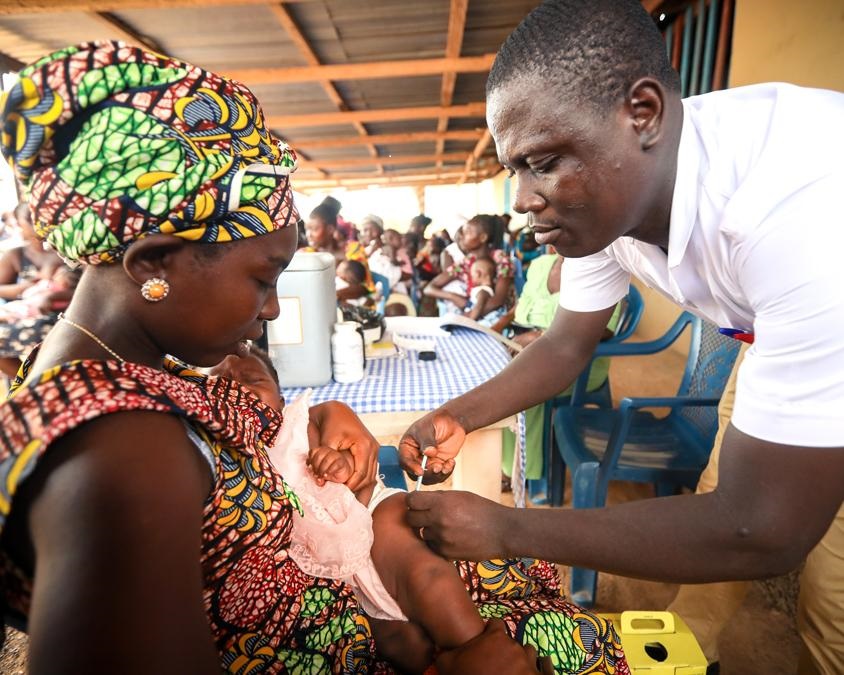

Pneumonia: 1 child dies every 39 seconds
- Posted on 27/10/2023 14:18
- Film
- By abelozih@sante-education.tg

Extract from the article: According to the World Health Organisation (WHO), pneumonia has claimed the lives of more than 800,000, responsible for 15% of all deaths of children under 5 worldwide. Pneumonia continues to wreak havoc, killing a young child every 39 seconds worldw
According
to the World Health Organisation (WHO), pneumonia has claimed the lives of more
than 800,000, responsible for 15% of all deaths of children under 5 worldwide.
Pneumonia continues to wreak havoc, killing a young child every 39 seconds
worldwide in 2018.
Most
of these deaths affect children under the age of two, almost 153,000 of whom
are in their first month of life. In Togo, a large number of children suffer
from pneumonia. According to the WHO, pneumococcal pneumonia is one of the
leading causes of death in children in developing countries, and almost 500,000
children under the age of 5 die from it every year. In Togo, more than 60% of
the germs isolated by hospital laboratories from cerebrospinal fluid (CSF) in
2013 were due to pneumococcus.
What
is pneumonia?
Pneumonia
is a respiratory infection. In most cases, it is caused by a bacterium called
pneumococcus, but it can also be caused by a virus (such as the common cold or
flu) or a fungus. When these infectious
agents attach themselves to the pulmonary alveoli, they cause inflammation of
the lungs. The most common form is acute
pneumococcal pneumonia.
Symptoms
They
vary depending on the germ involved.However, the following symptoms are
regularly observed: an outbreak of fever with chills, a dry then hacking cough,
or unusual shortness of breath during everyday activities. It is essential
to consult your GP in the event of: an outbreak of fever accompanied by a cough
with discharge of yellow, green or blood-tinged mucus, a sensation of pain in
the chest when breathing deeply, a cold or bronchitis that does not improve.
After
examination, the doctor may ask for a chest X-ray, which is the only way to
make a definitive diagnosis.
Risk
factors
Pneumonia
is often a complication of influenza, but there are other factors that favour
the onset of infection. Among them: age; it is more common in the under-2s and
the over-65s, although it can occur at any age, and lung disease. People
suffering from asthma, chronic obstructive pulmonary disease (COPD), cystic
fibrosis, etc. are at greater risk.
Then
there's chemotherapy: radiation pneumonitis is linked to the toxicity of the
rays used in cancer treatment. There may also be problems swallowing;
inhalation pneumonia is linked to the passage of gastric fluid into the bronchi
during vomiting.
Possible
complications
If
left untreated, pneumonia can be very serious.Complications may arise if the
patient is over 65, suffers from heart failure, kidney disease, liver disease
or has already had a stroke.The infection may progress to septicaemia, lung
abscess or pleurisy.Can it be cured?
Pneumonia
is usually cured within a fortnight. The type of antibiotics used depends on
the bacteria responsible for the infection.But pneumonia can be prevented by
pneumococcal or flu vaccinations.
Finally,
hygiene is essential to prevent the germs responsible for the infection passing
from one person to another. Wash your hands regularly, dispose of used tissues
directly in the bin and air your home once a day.
William
O.