
Reducing sugar and snacking: tips
- Posted on 29/01/2026 20:09
- Film
- By abelozih@sante-education.tg
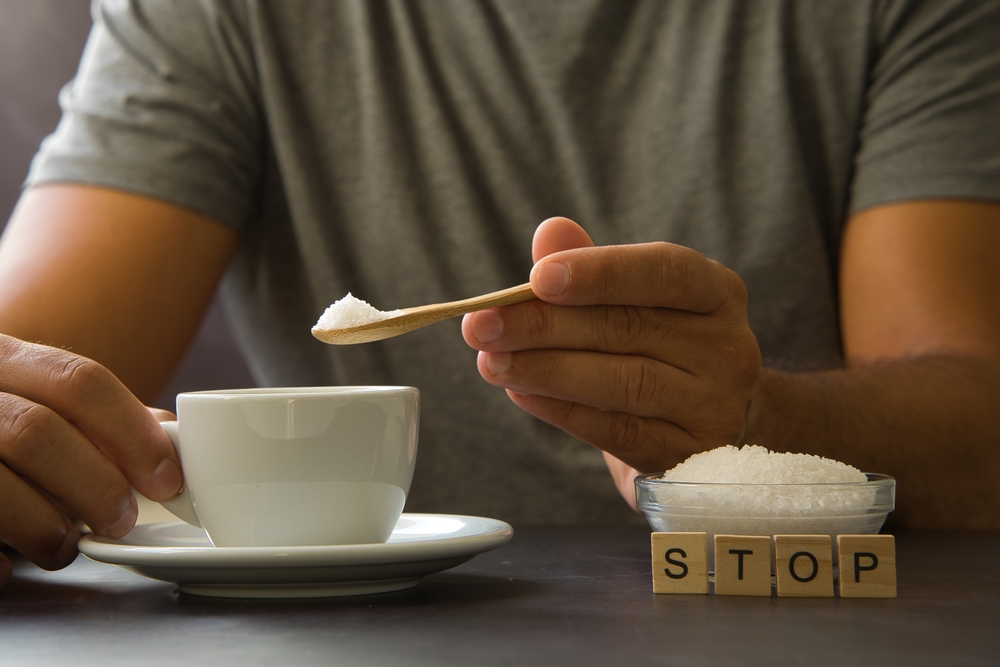
Extract from the article: Sugar encourages snacking. It seems incomprehensible to constantly need fuel when you are often refuelling, but there is a physiological explanation. It is the result of the combination of glucose and insulin. When we consume too many carbohydrates,
Sugar encourages snacking. It seems incomprehensible to constantly need fuel when you are often refuelling, but there is a physiological explanation. It is the result of the combination of glucose and insulin. When we consume too many carbohydrates, especially those that are quickly absorbed, the body secretes large amounts of insulin, a hormone that regulates blood sugar levels by allowing glucose to enter the cells.
When we consume ‘dèguè’ or eat a chocolate
bar, for example, the glucose enters the bloodstream within 30 seconds. Then,
after 3 minutes, the body suddenly secretes a large amount of insulin to cope
with this influx of sugar. It acts for 15 to 20 minutes and blood sugar levels
drop again. This leads to reactive hypoglycaemia, which results in a drop in
energy levels and, above all, an irresistible urge to consume sugary foods to
‘bounce back’. This is exactly what you shouldn't do, otherwise the whole cycle
starts again. This is how we gain weight because, under the effect of insulin,
the sugar stored in the cells is converted into fat.
Finding other sources of sustainable
energy
According
to studies, the body and brain only need glucose. However, while it is found in
food, and not just sweet-tasting foods, it can also be synthesised from
proteins and lipids. It is therefore difficult to run out of fuel, whatever the
cause (compensation for stress or emotion, nutritional imbalance, poor food
choices); we must break this vicious circle of ‘sugar craving sugar’ and
establish new habits. It is possible to break free from this addiction and
regain fitness and energy in a matter of weeks.
Eat a balanced breakfast
Several
studies show the benefits of starting the day with a breakfast rich in protein
and carbohydrates. A carbohydrate-rich meal promotes drowsiness and the urge to
snack at the end of the morning, causing fluctuations in blood sugar levels and
increasing levels of ghrelin, the appetite hormone. Conversely, a good
breakfast keeps you feeling full for longer, preventing fatigue. What's more,
it can reduce your energy intake by around 100 calories per day. A balanced
breakfast prepared at home should consist of the following: a drink such as
tea, coffee, milk or water (without adding too much sugar to the tea or
coffee); a cereal-based product: cereal porridge, wholemeal bread, rice and
beans; a little fat (but this is not compulsory for those with chronic
illnesses); a piece of fresh fruit.
Vary your starchy foods and pulses, and
control your portions
Their
carbohydrates are absorbed by the body more slowly than those in sugary foods.
They do not cause insulin spikes, which means they provide energy and keep you
feeling full for longer, without adding fat. Choose those with moderate or low
glycaemic indexes: pulses, beans, peas, etc. Above all, go easy on the
quantities: 75 to 100 g cooked weight maximum per meal. Because no matter how
good it is, excess carbohydrate will inevitably be stored.
Be clever with your cooking methods
Cooking
potatoes for a short time, for example, keeps their glycaemic index low,
whereas cooking them for longer can cause it to rise due to the acceleration of
starch gelatinisation. Furthermore, as it cools, the starch tends to return to
its previous molecular structure and its glycaemic index decreases again. You
can try eating starchy foods cold in salads, for example.
Eat as many vegetables as you like
Not
only are vegetables low in carbohydrates and calories, but they are also packed
with soluble and insoluble fibre, which slows down the rate at which the foods
they are eaten with are absorbed. They fill you up immediately and keep you
feeling full for longer. Eat them with every meal, always pairing them with
starchy foods, including pulses. Avoid cooking vegetables that are high in
carbohydrates (carrots, beetroot) so as not to raise their glycaemic index.
Finally, add vinegar or lemon juice to slow down the rate at which their
carbohydrates are absorbed.
Eat peanuts
Moderate
consumption of peanuts helps to reduce bad fats, lower the risk of heart
disease and reduce inflammation. Eating peanuts promotes weight loss, even
though they are very high in energy (around 700 calories per 100 g). They
significantly increase satiety because they are rich in fibre and good fats. If
you have a sweet tooth, it is advisable to snack on a few, preferably
unroasted.
Store fruit
Fruit
is a source of fibre and nutrients that are essential for the body, providing
natural compensation when you are craving sugar. However, do not choose fruit
that is too ripe. Opt for whole fruit with the skin on and watch the quantity:
1 orange, 1 mango, 1 or 2 dates, 1 piece of coconut.
Drink still water
Stay
hydrated throughout the day; this also prevents snacking. There are lots of
ways to jazz up still water: a sprig of mint, grated orange peel, a few drops
of lemon juice.
Avoid artificial sweeteners
They
are a deception. When we consume sweetened products, we give our palate and
then our brain pleasure, but not the energy intake. However, there is a
structure in the archaic brain, the arcuate nucleus, which counts calories
based on what is eaten. If it does not get its fill, it will push us to consume
more in subsequent meals to make up for it. Furthermore, they do not help you
wean yourself off sweet tastes. On the contrary, they perpetuate them. It is
better to seek out other flavours, such as spices, natural sugars in fruit and,
possibly, honey.
William O. (Source: Santé Magazine)