
Health Chronicle /2026: Africa faces challenges posed by international cuts to health aid
- Posted on 30/01/2026 18:19
- Film
- By abelozih@sante-education.tg
Extract from the article: The year 2025 saw a significant reduction in international health aid for many African countries. According to the WHO, external health aid fell by 30% to 40% compared to 2023, causing major disruptions to essential services, including vaccination, m
The
year 2025 saw a significant reduction in international health aid for many
African countries. According to the WHO, external health aid fell by 30% to 40%
compared to 2023, causing major disruptions to essential services, including
vaccination, maternal care and emergency response, in low- and middle-income
countries. This decline is linked to a strategic shift by traditional donors,
the reconfiguration of key programmes such as USAID/PEPFAR, and political
uncertainty in some donor powers.
The
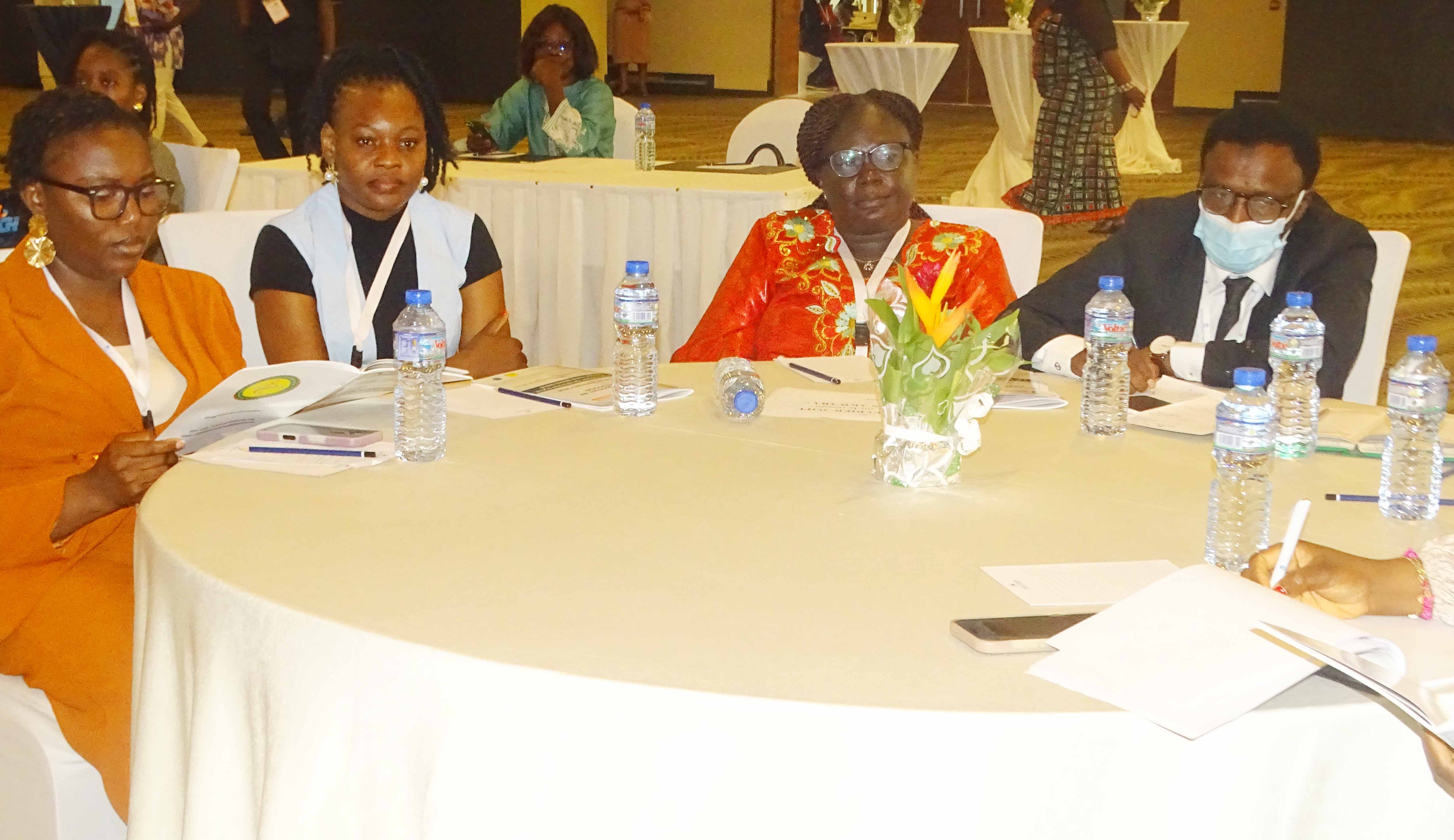
14th Annual Meeting of the Ouagadougou Partnership (RAPO), held in Lomé in
December 2025, focused its discussions on the theme: ‘Accelerating domestic
financing for sexual and reproductive health and rights: what strategies for
sustainable commitment?’ At the end of the meeting, participants from member
countries called on governments to: increase national funding to ensure the
continuity of health services in the face of declining foreign aid; diversify
sources of domestic funding and strengthen health sovereignty; and implement
more resilient and local financing arrangements to reduce dependence on
external donors.
The
United States of America leaves the WHO
The
United States, one of the WHO's largest financial contributors, has announced
its withdrawal from the organisation in 2025. Without its mandatory and
voluntary contributions, estimated at around 18% of the total budget, the WHO
is struggling to meet its operating costs and support African countries,
particularly in the implementation of their health policies.
Direct
effects on health in Africa
Africa
is heavily dependent on external aid to finance its health systems. The
withdrawal of the United States from global funding and the dissolution of
structures such as USAID, once a pillar of global health financing, have led,
among other things, to: the cessation or reduction of key programmes,
particularly those related to HIV/AIDS, tuberculosis and malaria; increased
pressure on national and household funding, with the risk of increased direct
expenditure for already vulnerable populations; disruption of drug and vaccine
supply chains; and weakened health surveillance.
Some
experts predict that the cessation or reduction of US funding could result in
millions of new infections or preventable deaths if alternative solutions are
not found in time.
Gamé KOKO (Source: WHO)