
Gambling addiction: the psychological health of gamblers at risk
- Posted on 08/02/2026 11:41
- Film
- By abelozih@sante-education.tg
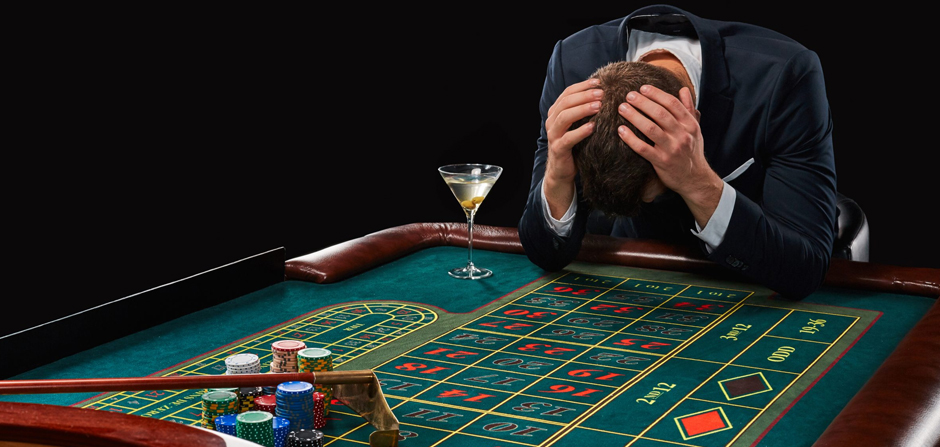
Extract from the article: The proliferation of sports betting, lottery games and online gaming platforms in Togo is causing growing concern among health professionals and social workers. Although these games are often presented as entertainment or an opportunity to make quick
The
proliferation of sports betting, lottery games and online gaming platforms in
Togo is causing growing concern among health professionals and social workers.
Although these games are often presented as entertainment or an opportunity to
make quick money, excessive gambling exposes many players to serious
psychological disorders, which are still largely underestimated.
Dr
Zinsou Selom Degboe, a clinical psychologist/psychotherapist in the psychiatry
and medical psychology department (SPPM) and addiction specialist at the Lomé
University Hospital Campus, has observed that the number of people gambling in
Togo is increasing, leading to more addictive behaviour. ‘We have identified a
significant number of pathological gamblers who need comprehensive care to
recover from this addiction, this illness,’ he insists.
According
to Dr Zinsou Selom Degboe, gambling is defined as: ‘recreational activities in
which a person makes a financial bet in the hope of winning, the outcome of
which depends mainly on chance and not on the player's skill or control’. It is
a rapidly expanding practice in a world where young people in particular want
to become rich without paid work. ‘Gambling is becoming commonplace, almost
automatic. People bet without thinking, sometimes with their wages, rent money
or food money,’ explains Dr Degboe.
Why do people engage in gambling?
In his
thesis entitled ‘Perception of addictive gambling: characteristics of players
of the Togolese National Lottery (LONATO) in Lomé, Togo’, Dr Zinsou Selom
Degboe explains that ‘unemployment, age, gender, level of education and marital
status are factors that explain this mental disorder’.
In
another study conducted by psychiatrist Daméga Wenkourama and colleagues,
concomitant disorders such as "antisocial personality disorders
characterised by impulsivity, bipolar disorders, especially type 1, attention deficit
disorder with or without hyperactivity (ADHD), and addiction to psychoactive
substances (alcohol, tobacco, cocaine, heroin, cannabis, energy drinks),‘ says
Dr Degboe. This is because, he says, ’people with a substance use disorder need
money to pay for their daily dose. There are other causes, including
precariousness, low purchasing power of workers or retirees, stressful
situations in couple or family life ."
What are the symptoms?
Gambling
addiction is a ‘mental illness’ or not a behavioural addiction. ‘It manifests
itself as a loss of control: the gambler continues to gamble despite losses,
debts and family conflicts. They may feel anxious, irritable or sad when they
are not gambling, and often seek to recoup their losses after a setback, which
makes the situation worse,’ says the clinical psychologist/psychotherapist.
When
a person gambles a lot, too often and for too long, they need to ask themselves
questions about their behaviour. ‘Unfortunately, it is not possible to tell at
a glance whether a person is a pathological gambler, as gambling disorder is
limited to psychological dependence. It does not cause somatic symptoms in the
addicted person,’ says Dr Degboe.
However,
he recommends that it is up to clinicians who are specialists in the field to confirm
or rule out the presence of this disorder in a gambler over a 12-month period
of practice.
What are the potential consequences?
The
negative consequences of JHA addiction can be financial, professional, social
and health-related. ‘We see impoverishment due to significant financial losses
with serious implications, professional difficulties, increased absenteeism and
relationship problems that can lead to job loss, health problems with a high
incidence of depression and anxiety,’ says the addiction specialist at the Lomé
University Hospital Campus.
The
psychotherapist also mentions the risks of polyaddiction, or the simultaneous
presence of addictions to psychoactive substances (drugs) and behavioural
addictions in the same person, problems with alcohol and other types of drug
use, risky behaviours, and family problems (separations, divorces).
How can you overcome addiction?
The
first step towards recovery is ‘recognising the addiction. Admitting that
gambling has become a problem allows you to seek help and begin lasting change.
Next, it is recommended that you reduce your access to gambling by deleting
apps, avoiding betting shops and temporarily handing over control of your
finances to a trusted friend or family member,’ insists Dr Degboe.
Psychological
support is also essential. ‘Therapy helps to understand the triggers of
gambling, such as stress, boredom and financial difficulties, and to develop
alternative strategies. We also encourage replacing gambling with structured
activities such as sport, vocational training, community or religious
activities,’ says the specialist.
Dr
Degboe calls for greater mobilisation on the part of the authorities, the media
and civil society. ‘The prevention of gambling addiction must be integrated
into public health campaigns, in the same way as alcohol or tobacco. Early
information can prevent a lot of tragedy,’ he argues.
Despite
the difficulties, the specialist points out that remission is possible, as this
is a chronic disease with no cure. That is why everything must be done to
prevent it. "With appropriate guidance, family support and personal
commitment, it is possible to overcome addiction. The important thing is to
understand that asking for help is an act of courage, a step towards escaping
this trap," he concludes.
William O