

Diabetes: Medicinal plants, a complementary avenue to be explored with caution
- Posted on 08/08/2026 14:46
- Film
- By abelozih@sante-education.tg
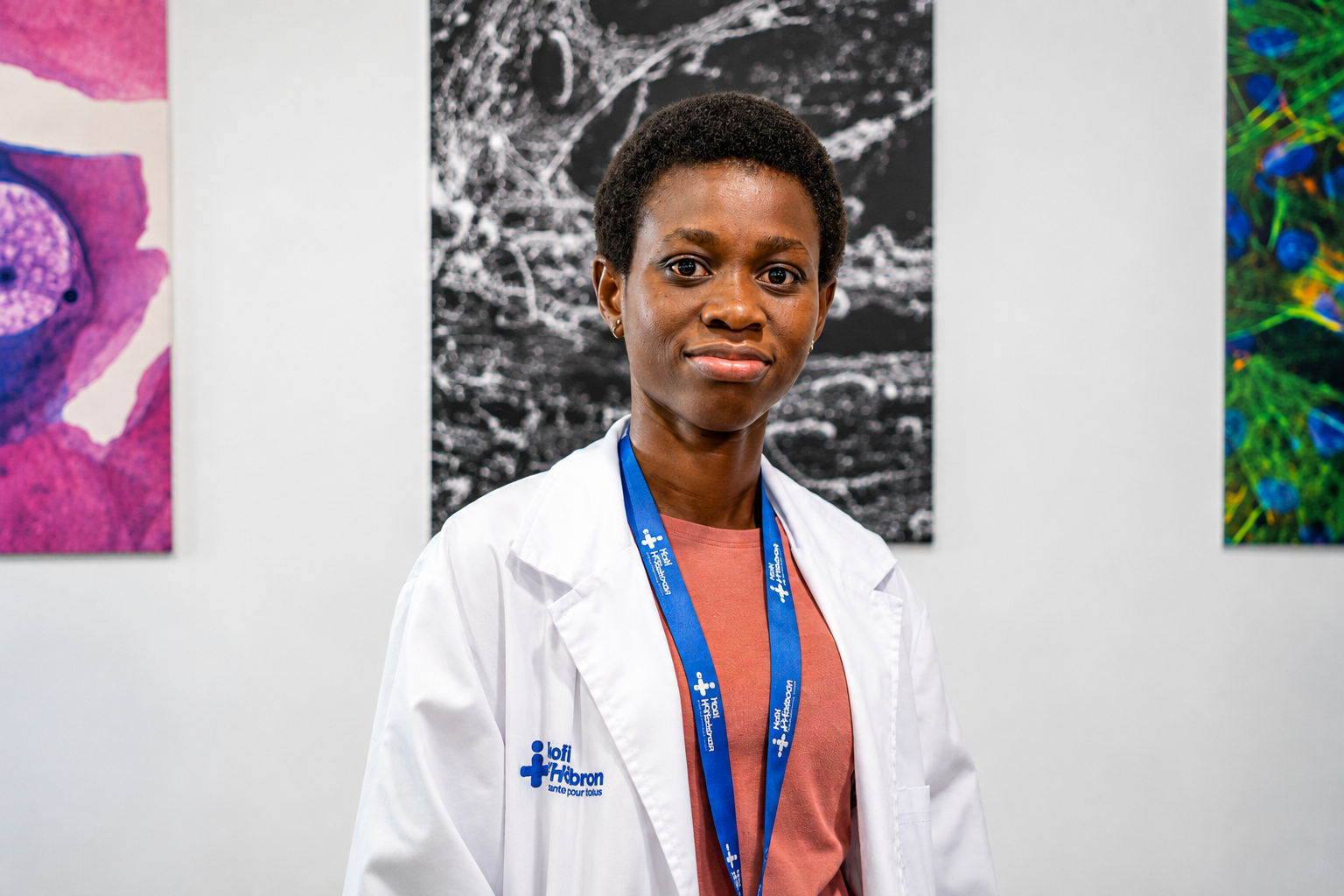
Extract from the article: « Medicinal Plants and Diabetes Treatment » was the topic of a presentation delivered on Wednesday, August 5, by Dr. Motto Aku Enam, a specialist and PhD holder in physiology-pharmacology, as part of the third edition of Diabetes and Its Complication
« Medicinal
Plants and Diabetes Treatment » was the topic of a presentation delivered
on Wednesday, August 5, by Dr. Motto Aku Enam, a specialist and PhD holder in
physiology-pharmacology, as part of the third edition of Diabetes and Its
Complications Education Month. Held virtually via the Zoom platform, the
session of the Diabetes School was an initiative of the Noncommunicable
Diseases Surveillance Division (DivSMNT) of the Ministry of Health, in
partnership with the JISA Togo and Les Amis de la Joie associations.
The
session highlighted that medicinal plants may represent a complementary avenue
in diabetes management, provided that their use is supported by scientific
evidence and carried out under the guidance of healthcare professionals.
Promising
therapeutic potential
Physiology-pharmacology
specialist Dr. Motto Aku Enam explained that diabetes is a major public health
concern, particularly in low- and middle-income countries. While conventional
treatments, including insulin and oral antidiabetic drugs, remain essential,
difficulties related to their accessibility, cost and potential side effects
lead many people to seek complementary solutions through traditional medicine.
Dr.
Motto Aku Enam noted that medicinal plants are attracting growing interest in
research because of their richness in bioactive compounds. Several plant
species have demonstrated potentially beneficial effects on blood glucose
regulation, improved insulin sensitivity and reduced oxidative stress.
In
Togo, research conducted by the Pathophysiology, Bioactive Substances and
Safety Research Unit of the University of Lomé is contributing to a better
understanding of the therapeutic potential of local plants. The research
particularly seeks to generate scientific data to assess their efficacy and
safety.
Use
must remain cautious
According
to Dr. Motto, interest in medicinal plants should not lead people to
discontinue treatments prescribed by healthcare professionals. Their use should
remain complementary, based on scientific evidence and medically supervised.
The
specialist also stressed the need for better regulation of traditional
preparations, particularly with regard to dosage, quality and safety. Some
plant-based substances may pose toxicity risks or interact with conventional
medicines used to treat diabetes.
Towards
safe plant-based products
Ongoing
research is aimed in particular at standardizing plant extracts, conducting
rigorous clinical trials and identifying new molecules with therapeutic
potential.
The
specialist said these efforts should help promote the value of local plant
resources and contribute to the development of effective, safe and quality
plant-based products. They could thus strengthen diabetes prevention and
management strategies while promoting a better scientific understanding of
traditional pharmacopoeia.
William O.