
Breastfeeding: a sustainable start in life
- Posted on 09/08/2026 10:58
- Film
- By abelozih@sante-education.tg
Extract from the article: « Breastfeeding for a Sustainable Start in Life: Strengthening What Works ». This is the theme of the 2026 edition of World Breastfeeding Week (WBW), observed from August 1 to 7 under the leadership of the World Health Organization (WHO) and the Unit
« Breastfeeding
for a Sustainable Start in Life: Strengthening What Works ». This is the
theme of the 2026 edition of World Breastfeeding Week (WBW), observed from
August 1 to 7 under the leadership of the World Health Organization (WHO) and
the United Nations Children’s Fund (UNICEF).
The
campaign aims to strengthen efforts to protect, promote and support
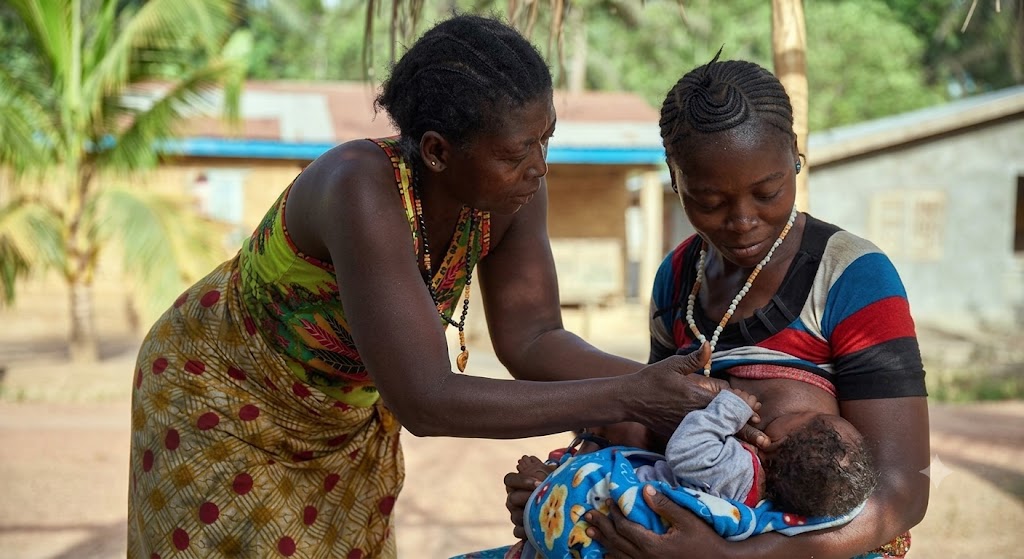
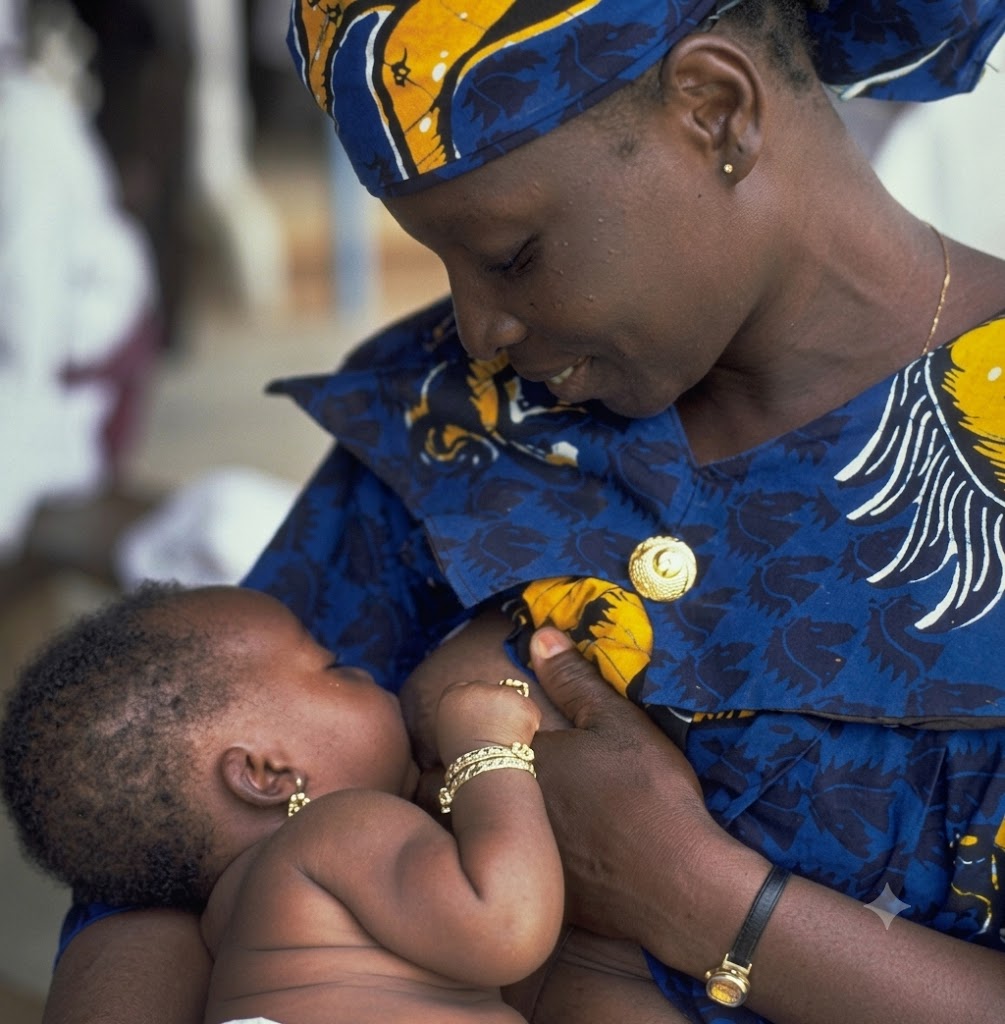
breastfeeding mothers. Proper positioning and attachment enable the infant to
breastfeed effectively, thereby contributing to good health. How a baby latches
onto the breast is therefore important not only for adequate feeding and
comfort, but also for the mother’s well-being.
Breast
milk offers many benefits. For the child, the first yellowish milk, known as
colostrum, serves as the baby’s first vaccine. Théophile Bitamba recommends
that mothers give this milk to their babies immediately after delivery. Breast
milk provides all the nutrients the child needs; strengthens the immune system
against diseases; promotes healthy growth and development; and contributes to
cognitive development.
For
the mother, breastfeeding facilitates the expulsion of the placenta and reduces
the risk of postpartum haemorrhage. Early breastfeeding stimulates milk
production and can also serve as a natural contraceptive method. For the
family, breast milk eliminates additional expenses related to the purchase of
infant formula, reduces healthcare costs and contributes to the child’s
well-being by helping prevent illness.
Proper
attachment for effective breastfeeding
Successful
breastfeeding depends on several factors, including the position of the mother
and baby and the way the infant attaches to the breast. Correct positioning
promotes effective milk transfer, reduces nipple pain and contributes to
continued exclusive breastfeeding, which is recommended during the first six
months of life.
For
effective sucking, the baby’s nose should be clear, the mouth should be wide
open and the tongue positioned beneath the nipple. Once properly positioned,
the baby’s chin should touch the breast, the lower lip should be turned
outward, and a large portion of the areola should be inside the baby’s mouth.
To
help the infant open its mouth widely before latching, specialists recommend a
simple technique: gently brushing the baby’s upper lip with the nipple. This
can encourage a better latch and make breastfeeding easier.
Support
must be collective
The
theme of WBW 2026 reminds us that breastfeeding is not solely the
responsibility of the mother. Families, healthcare professionals, employers and
public authorities all have a role to play in creating a supportive environment
for breastfeeding women.
The
message « Breastfeeding for a Sustainable Start in Life: Strengthening
What Works » thus highlights the importance of providing mothers with
appropriate support. Successful breastfeeding depends not only on the mother’s
knowledge and practices, but also on the support of her family, community and
society.
It
is therefore essential to strengthen the sharing of appropriate advice and the
dissemination of good practices, particularly correct breastfeeding initiation
during the first hours after birth. Support for breastfeeding-friendly
policies, especially for working mothers, is also an important lever for
creating conditions that enable women to continue breastfeeding.
Jean ELI