
The fight against malaria in Togo: Malaria Consortium outlines its strategy and sets its sights higher
- Posted on 28/11/2026 14:37
- Film
- By raymonddzakpata@sante-education.tg
Extract from the article: The international NGO Malaria Consortium, which has been operating in Togo since 2020, intends to consolidate its commitment to the fight against malaria and inequalities in access to healthcare. On 26 November 2026, in Davié, it brought together...
The
international NGO Malaria Consortium, which has been operating in Togo since
2020, intends to consolidate its commitment to the fight against malaria and
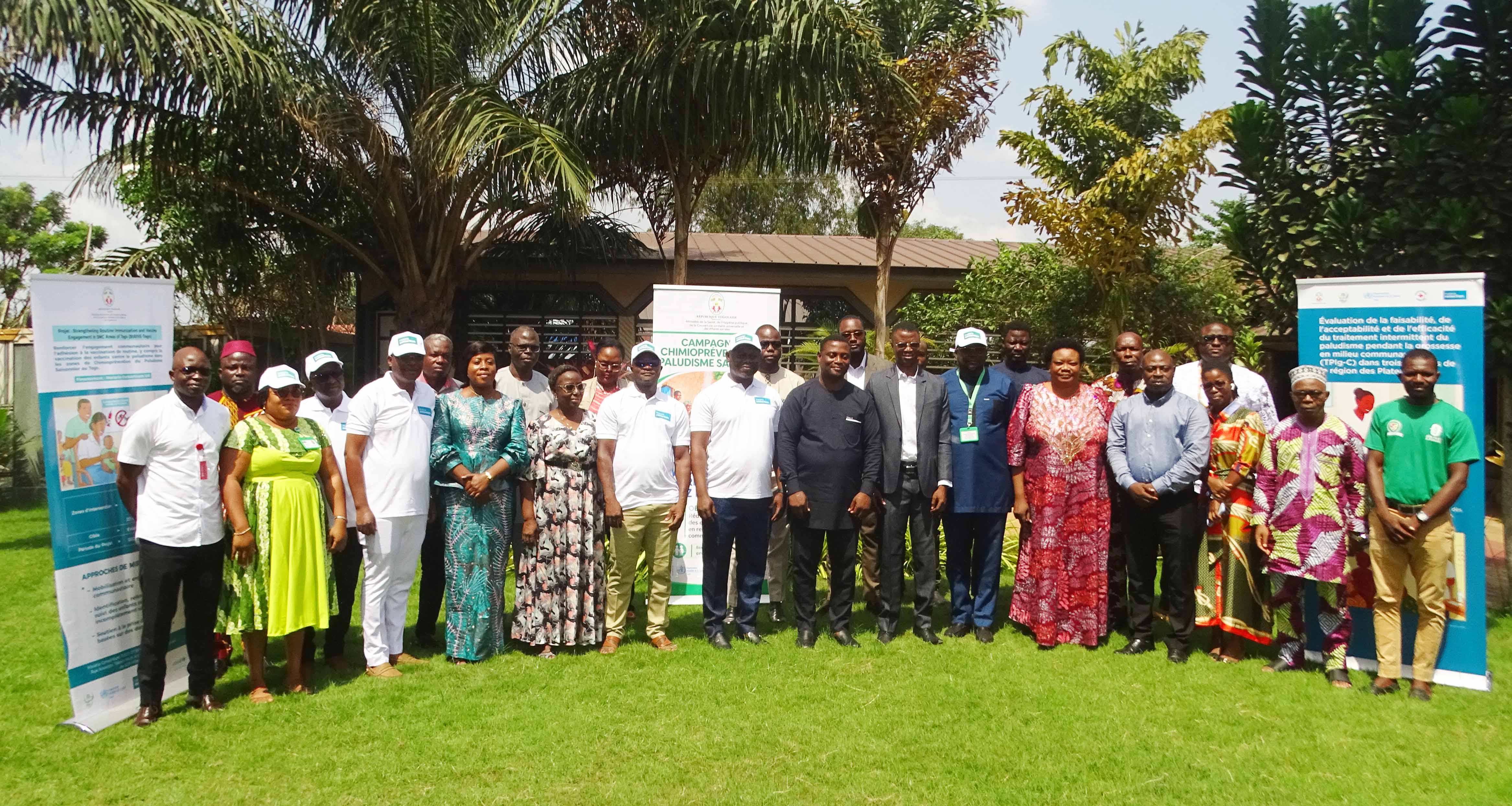
inequalities in access to healthcare. On 26 November 2026, in Davié, it brought
together stakeholders from the health sector to discuss its results, lessons
learnt and its new multi-year strategic plan. The main objectives of the
workshop included sharing achievements, strengthening partnerships and
identifying new opportunities for collaboration. The meeting brought together
key stakeholders to present the organisation’s expertise, the results of its
interventions in Togo and the direction of its strategy for the coming years.
Since
establishing its presence in Togo in 2020, Malaria Consortium has been
supporting national efforts to combat malaria. Its flagship programme remains
Seasonal Malaria Chemoprophylaxis (SMC), which has been implemented since 2021
for children under five living in areas of seasonal transmission.
Several
complementary projects have been added to this initiative. The Zero-Dose
project aims to identify and reach children who have not been vaccinated or who
have received an incomplete course of vaccination. The TPIg-C project brings
malaria prevention closer to pregnant women through the community-based
administration of intermittent preventive treatment. As for the StRlVE project,
it helps to strengthen community engagement in favour of vaccination,
particularly against malaria.
These
initiatives are being carried out in collaboration with the Ministry of Health,
particularly the National Malaria Control Programme (PNLP), the Immunisation
Division and the bodies responsible for maternal and child health.
For
Malaria Consortium’s Country Director in Togo, Dr Komivi Tongon, the results
achieved are based above all on a collective effort. “No single organisation can tackle the challenge of malaria on its own,”
he emphasised, whilst reaffirming his organisation’s commitment to supporting
the Togolese government and the relevant stakeholders.
Since
2021, the organisation has been supporting, in particular, the National Malaria
Control Programme (PNLP) in the implementation of seasonal malaria
chemoprevention (SMCP) for children under five. For Dr Atekpe Payakissim
Somiabalo, coordinator of the PNLP, this intervention is crucial, as it targets
children most at risk of severe forms of malaria and malaria-related deaths.
After
five years of implementation, the coordinator has announced a major impact
assessment in 2027, in line with the recommendations of the World Health
Organisation (WHO). “The initial figures
suggest a positive outcome, but we want to carry out a comprehensive study next
year to truly assess the impact of this seasonal malaria chemoprevention
programme,” he explained.
Beyond
reviewing the programme’s progress, this workshop marks an important step in
the roll-out of the country office’s three-year strategy. The organisation now
aims to move beyond collaborations limited to individual projects in order to
build more structured and sustainable partnerships, better aligned with
national priorities.
This
shift comes against a backdrop of declining external funding for global health.
Malaria Consortium therefore intends to strengthen resource mobilisation,
develop the production of evidence-based data and identify new partnership
opportunities.
For
Damdigle Théophile, monitoring and evaluation manager at the PNLP and a
participant in the workshop, this collaboration represents real added value. He
highlights the introduction of new community-based approaches and the prospects
for research. He would also like to see the organisation extend its support to
other areas of public health, notably nutrition, neglected tropical diseases
and the strengthening of the health information system.
Through
this initiative, the organisation reaffirms its ambition to contribute to
national efforts to make Togo malaria-free. According to its leaders, this
ambition requires the sustained mobilisation of public authorities, technical
and financial partners, researchers and communities.
Raymond DZAKPATA