

The net-zero target compromised in Togo?
- Posted on 18/08/2022 18:41
- Film
- By admin1@gmail.com
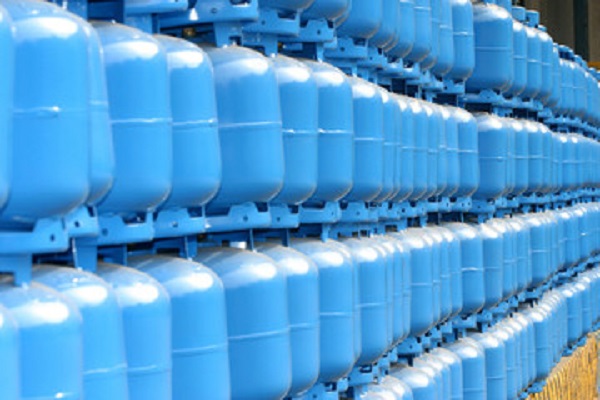
Extract from the article: Rising butane gas prices in Togo could compromise CO2 emission reductions. From 520F CFA per kilogram (kg), butane gas increases to 895F CFA/kg, an increase of 73%.
Togo, which committed in 2015 to reduce its CO2 emissions by 11.14% by 2030, voluntarily raised its ambitions to 20.51% at the COP26 in Glasgow (Scotland). However, the increase in the price of gas on 12 August by 73% may compromise the achievement of this goal.
Togo has adopted renewable energy and has set a target of 50% renewable energy in its energy mix. Charcoal and firewood account for 93% of the total final energy consumption of households in Togo and the sub-region, according to the 2018 Monetary Union Energy Report for West Africa. In recent years, with the emergence of a middle class and modern households, gas is becoming increasingly consumed and used in households.
Potential
decline in clean energy use and increase in charcoal consumption
Energy production in Togo
in 2018 came mostly from biomass (firewood, charcoal, plant waste), followed by
renewable energy (hydro and solar) and then natural gas, which is the most
environmentally friendly fossil energy. Four years later, the situation has only changed significantly
with solar-based electricity production (from 2021) estimated at 90 255 MWH
annually. For cooking in
Togo, especially in households, natural gas is increasingly used as a
substitute for charcoal.
From 520F CFA per
kilogram (kg), butane gas increases to 895F CFA/kg, an increase of 73%. At a
time when inflation is reducing the purchasing power of Togolese. This situation could lead to a return
of gas-consuming households to the use of charcoal and firewood.
In a Facebook post, MP Gerry
Komandega TAAMA predicts that the low-income Togolese who make up the majority
of the Togolese population will turn to biomass.
In the long term, a
risk compromise of reforestation efforts and compliance with commitments has
been made since COP21
To achieve carbon
neutrality by 2030, Togo promotes clean and renewable energy. But the country has also undertaken
mitigation actions such as reforestation of cities and forests. The national reforestation campaign
launched on the occasion of World Tree Day on 1 June each year is an
illustration of this desire to increase forest cover and to have primary
resources for wood processing industries. Environment Minister Foli-Bazi Katari
said the government’s ambition is to reach 10 billion plants by 2030.
This price increase due to the cessation of the subsidy of butane
gas by the government is expected to return to normal at the end of September
with a resumption of subsidies.
The revival in the use of biomass as the main source of cooking energy by
households will lead to an increase in wood felling. “What is the point of
planting trees, if they are meant to prepare our meals, instead of capturing
CO2?” , questioned MP Gerry TAAMA in his open message addressed to the
President of the Republic.
This butane gas price increased due to the cessation of the government subsidy. The price is expected to return to normal at the end of September with a resumption of subsidies.
Zabdiel MIGNAKE