
Excessive salt intake: Beware of the brain
- Posted on 28/03/2024 19:37
- Film
- By raymonddzakpata@sante-education.tg
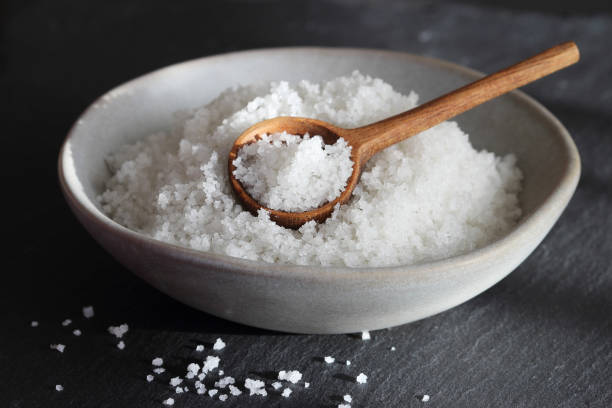
Extract from the article: The research was conducted by an American team (Weill Cornell Medical Center). They initially focused on mice, fed with an extremely high-salt diet, equivalent to a very high consumption in humans. Observations show that this excess leads to....
The
research was conducted by an American team (Weill Cornell Medical Center). They
initially focused on mice, fed with an extremely high-salt diet, equivalent to
a very high consumption in humans. Observations show that this excess leads to
dysfunction in blood flow to and within the brain, insufficient dilation of
blood vessels, and cognitive impairments. The mechanisms involved are complex,
involving the immune system originating from the intestine, with an alteration
in the production of nitric oxide, important for regulating blood flow and the
good health of neurons. According to the journal "Nature
Neuroscience," human salt consumption is increasingly high, well above the
levels recommended by nutritionists and health authorities. This excess is
accompanied by a detrimental effect on the brain, reducing the necessary
cerebral blood flow for its proper functioning and thus increasing the risk of
developing cognitive disorders, even dementia. Experiments in mice indicate
that reducing salt intake restores the situation to normal. These data justify
considering a reduction in salt consumption to maintain brain health.
Jean ELI