
Monkeypox (Mpox) : Signs and Prevention
- Posted on 06/09/2024 14:30
- Film
- By raymonddzakpata@sante-education.tg

Extract from the article: The World Health Organization (WHO) declared a Public Health Emergency of International Concern (PHEIC) on Wednesday, August 14, in response to the alarming spread of the mpox virus in Central and Eastern Africa. This virus, known for its...
The World Health Organization (WHO) declared a Public
Health Emergency of International Concern (PHEIC) on Wednesday, August 14, in
response to the alarming spread of the mpox virus in Central and Eastern
Africa. This virus, known for its devastating effects, has recently seen the
emergence of a more virulent subtype (clade 1b) in East Africa, raising global
concerns about its lethality and transmissibility, although formal evidence is
yet to be established.
In 2024, the African continent recorded 17,541 cases
of mpox across 12 countries, resulting in 517 deaths, according to Africa CDC.
The rapid progression of the virus and the appearance of new, more aggressive
strains have raised major public health concerns, calling for an effective and
united international response. As of today, Togo has not reported any cases.
However, the country is on high alert against monkeypox. On Thursday, August
15, 2024, the Ministry of Health announced the strengthening of epidemiological
surveillance across the territory, including at entry points, to ensure early
detection. A crisis management committee has also been established to address
this health threat.
Understanding
Mpox
Mpox, caused by the simian orthopoxvirus, is primarily
transmitted through direct contact with an infected person, though transmission
through contaminated objects or infected animals is also possible. The disease
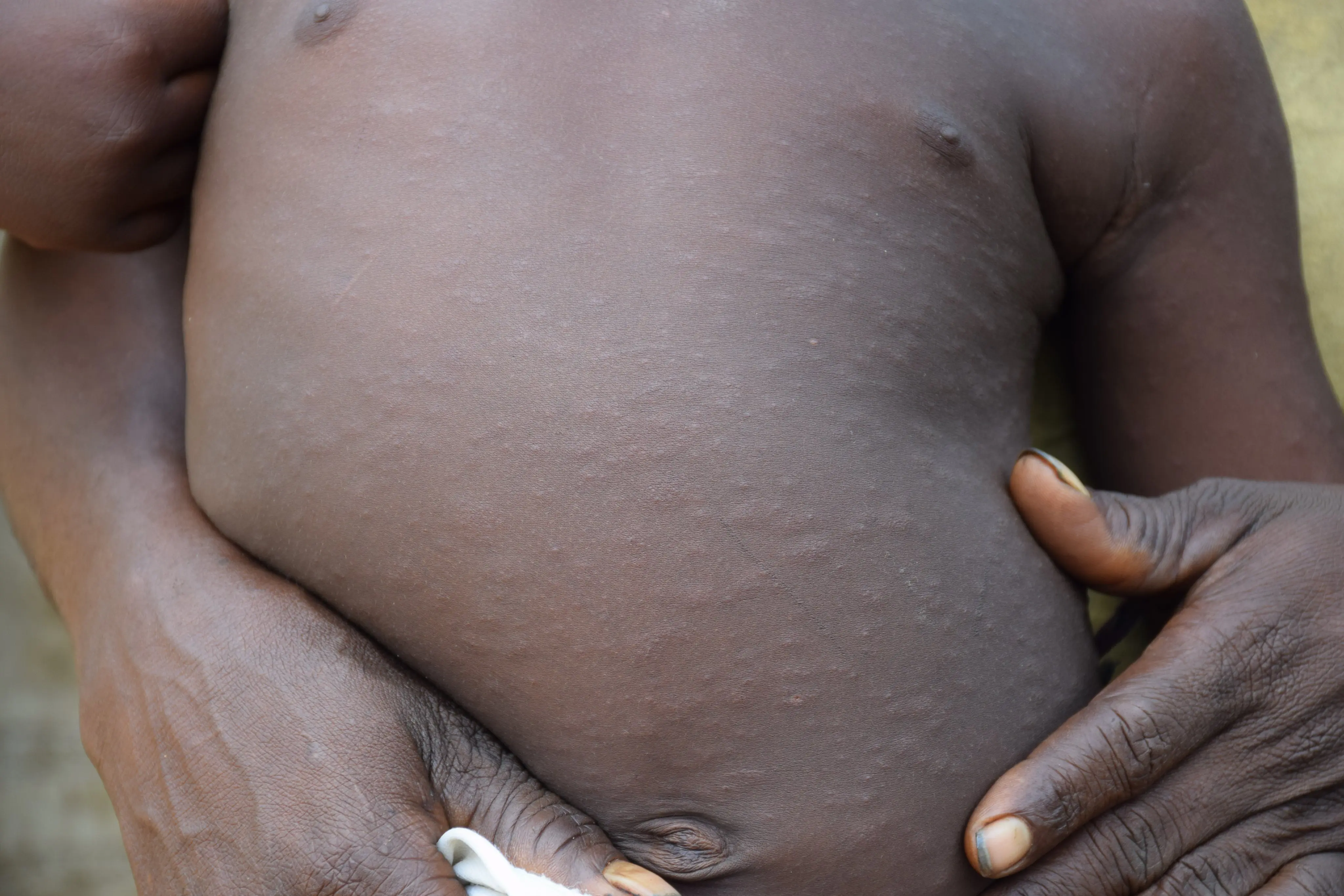
often presents with a painful and persistent skin rash, accompanied by symptoms
such as fever, headache, and lymphadenopathy, which are pathological swellings
of one or more lymph nodes, one of the body's main defense mechanisms. Severe
cases, which may lead to complications like lung or brain infections, are
particularly feared in immunocompromised individuals, children, and pregnant
women.
Transmission
Modes and Prevention
Human-to-human transmission remains predominant,
especially through direct contact with skin lesions and during sexual
intercourse. The virus can also survive on contaminated surfaces, increasing
the risk of infection through everyday objects. Strict precautions, such as
regular hand washing and surface disinfection, are essential to reduce the
spread. Although rare, human-to-animal transmission has been reported in
households, but this is a subject that requires further study.
Protection
Measures and Treatments
Efforts to contain the disease include raising
awareness about mpox symptoms and promoting preventive practices. WHO
recommends the strict isolation of infected individuals until full recovery.
While no universally available specific treatment exists, antiviral drugs like
Tecovirimat offer a glimmer of hope in treating severe forms of the disease.
Vaccination
In terms of prevention, vaccines developed against
smallpox have been adapted to combat mpox. Targeted vaccination campaigns are
recommended for high-risk individuals, although mass vaccination is not yet
considered. Despite vaccination efforts, it is crucial to continue applying
preventive measures, as immunity takes time to develop and is not guaranteed
for everyone. At the onset of symptoms or suspicion of symptoms mentioned
earlier, individuals should immediately seek care at a health center for
comprehensive treatment.
Raymond DZAKPATA
Article validated by Professor Anoumou Yaotsè Dagnra, Professor of Microbiology at the University of Lomé.