
WHO and TikTok collaborate to combat misinformation about health and well-being
- Posted on 07/10/2024 12:33
- Film
- By abelozih@sante-education.tg
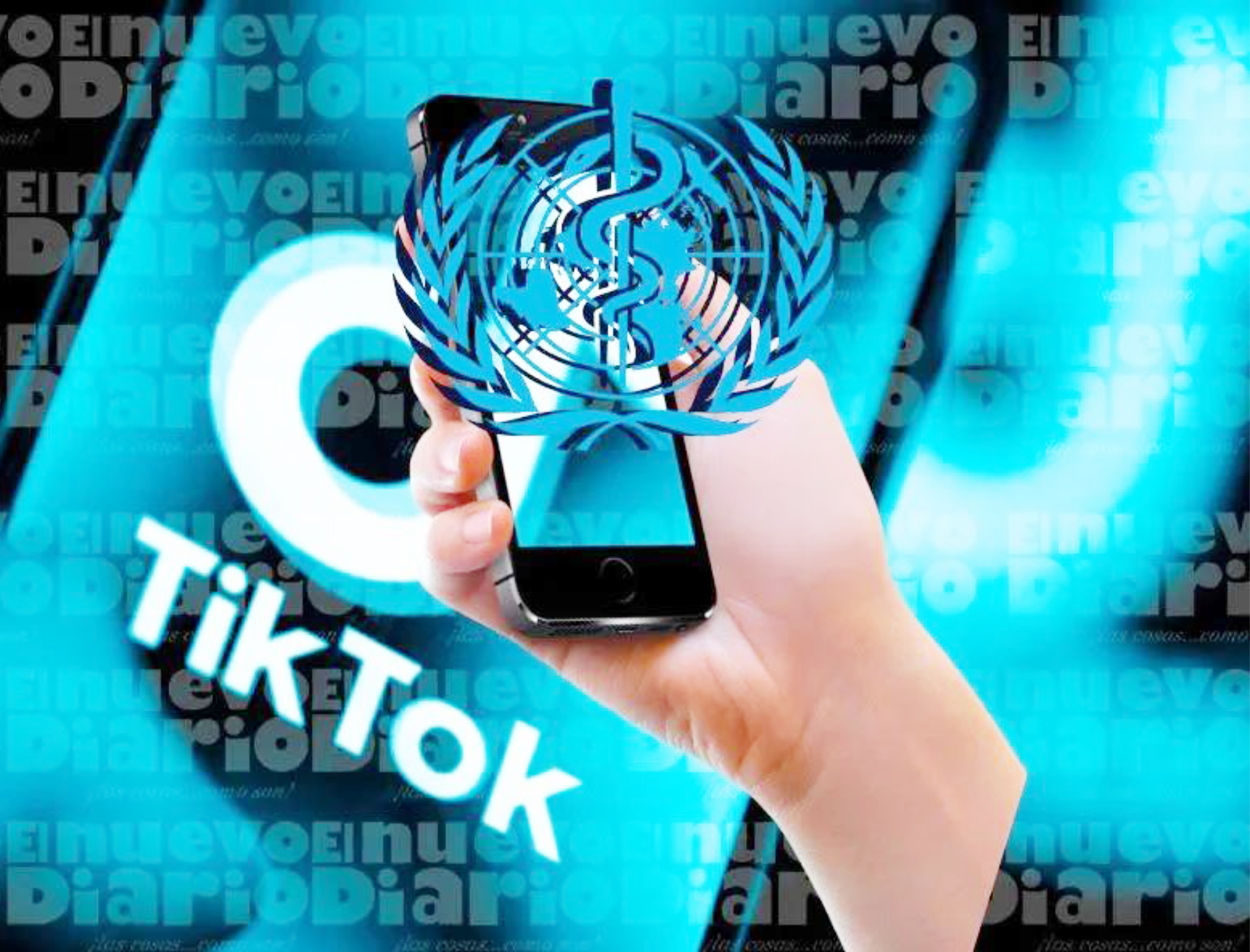
Extract from the article: A one-year collaboration has been announced between the World Health Organization (WHO) and TikTok, the short-form mobile video platform, to provide reliable, science-based information on health. It demonstrates the WHO's commitment to using the many
A
one-year collaboration has been announced between the World Health Organization
(WHO) and TikTok, the short-form mobile video platform, to provide reliable,
science-based information on health. It demonstrates the WHO's commitment to
using the many digital communication platforms to reach more people around the
world, improve health literacy and promote healthy behaviours in an
increasingly digital world.
Social
media can be important sources of information, influencing health behaviours
and decisions. One in four young adults actively seeks information on social
media, particularly on TikTok. Disinformation and misinformation are
increasingly present on these digital channels. This new collaborative project
between the WHO and TikTok aims to help address these challenges by promoting
science-based content and encouraging positive dialogue about health.
«This
collaboration can be a crucial turning point in the way platforms improve their
social responsibility. The interface between health and technology allows
people of all ages to interact with each other, anywhere, at any time they
choose. By working with TikTok and others, we are helping people access
reliable information and promoting scientific discourse, collectively, to help
shape a healthier future for all»,
said Dr Jeremy Farrar, WHO Chief Scientist.
Mobilising
influencers to improve health knowledge
Tik
Tok, a community of over one billion people worldwide, is using its platform
and technology to raise health awareness and improve access to reliable
information. By fighting stigma, sharing high-impact stories, providing
resources for those in need and strengthening communities, TikTok aims to have
a positive influence on people's wellbeing.
«We
know that millions of people visit TikTok every day to share with others and
build a community, in all areas of their lives, including wellbeing. Our aim is
for them to be able to find reliable information on this important subject.
That's why we're delighted to be working today with the Fides network of health
influencers, created by the World Health Organization, to further strengthen
this commitment by providing engaging and authoritative content on mental
wellbeing», said
Valiant Richey, Global Head of Awareness and Partnerships for Trust and Safety
at TikTok.
The
WHO Fides Network, launched in 2020, mobilises health content creators to
combat misinformation and promote evidence-based content. With its community of
more than 800 creators reaching 150 million people across various platforms,
Fides can help make communication more targeted and credible to help people
access better health information.
Dr
Alain Labrique, Director of the Department of Digital Health and Innovation at
the WHO, stressed the importance of this initiative: «Creators
who understand the needs of their audience have a unique opportunity to make
the link between science and everyday life. This is where WHO can act to help
influencers provide scientifically sound information, ensuring that
conversations about health on platforms like TikTok have impact and are based
on reliable data. »
This
collaboration will amplify efforts around a number of important health topics,
by translating scientific information into relevant, easy-to-digest video
content and providing increased support to influencers via TikTok's creator
training programmes.
Source
: WHO