
Raising awareness to stop overdoses
- Posted on 11/10/2024 14:10
- Film
- By abelozih@sante-education.tg
Extract from the article: The overdose epidemic is a public health issue of growing concern worldwide. In Togo, public health authorities report hundreds of drug overdoses every year. These are situations that can lead to the death of the person affected, and involve overdose
The
overdose epidemic is a public health issue of growing concern worldwide. In
Togo, public health authorities report hundreds of drug overdoses every year.
These are situations that can lead to the death of the person affected, and
involve overdoses of medicines, drugs or alcohol. It is crucial that the
authorities adopt bold and effective strategies to tackle this problem in a
holistic and sustainable way.
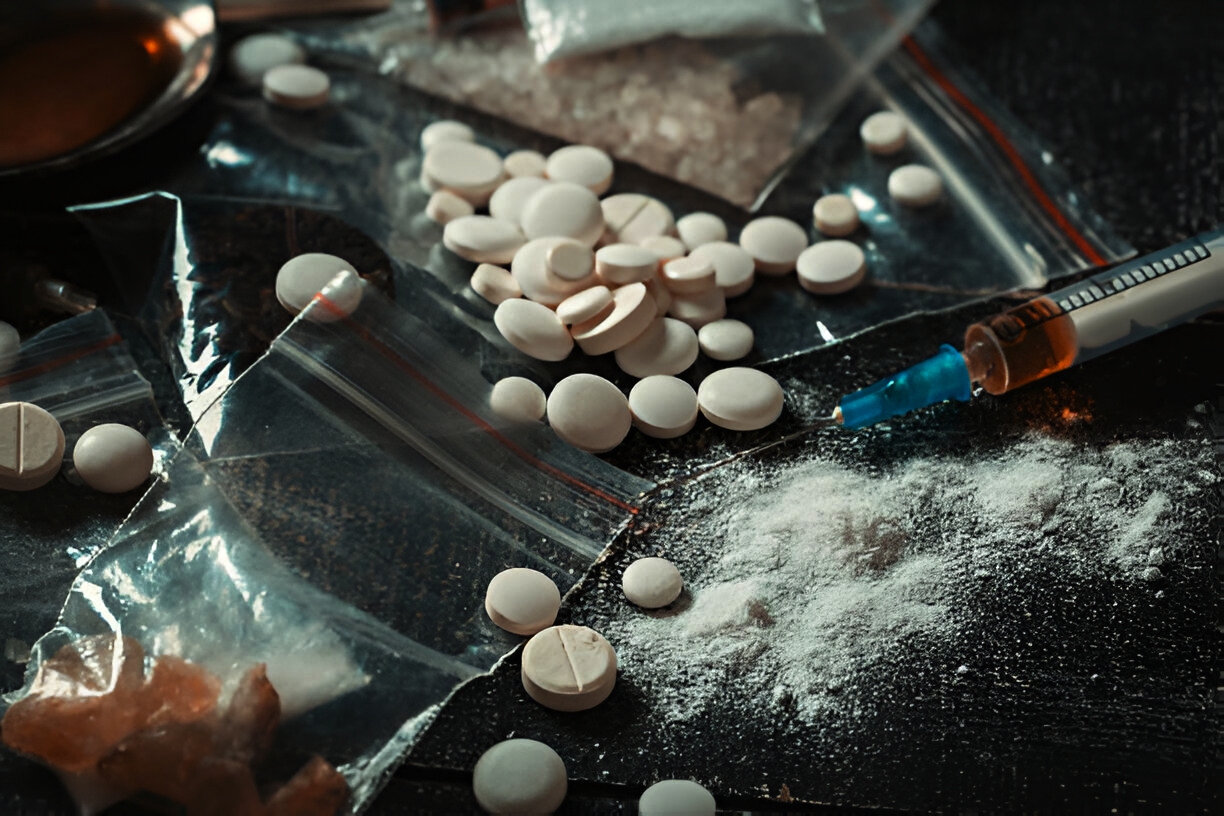
Overdose
is defined as the consumption of one or more drugs in excess of the dose that
the body can assimilate without harmful effects on health. Overdose can involve
a variety of substances, including illicit drugs, alcohol and certain medicines
such as antidepressants and opioids.
The
clinical signs and health effects vary depending on the drug taken, the
person's state of health and the extent of the overdose. Drug use and drug
overdose can have serious consequences for health, with major repercussions for
the functioning of vital organs. In some cases, overdose can lead to death. An
overdose is a medical emergency, requiring immediate attention and a call to
the emergency services.
Current
situation
According
to the latest figures from the World Health Organisation (WHO), the number of
deaths linked to overdoses has reached unprecedented levels, exacerbated by the
opioid crisis and the abuse of psychoactive substances. In addition, the
various health, economic and social crises have contributed to a significant
increase in risky behaviour and access to dangerous substances. In West Africa,
Togo is not exempt from this crisis. Drug use is on the rise, exacerbated by
socio-economic difficulties and limited access to prevention and treatment
services. As a result, public health in these countries is facing major
challenges, requiring urgent and structured interventions to reduce the number
of drug-related deaths and collateral damage.
Raising
awareness to stop overdoses
International
Overdose Prevention Day, celebrated each year on 31 August, is a global
initiative to raise awareness of the dangers of overdose while honouring the
memory of the victims. This year, the theme ‘Together we can’ highlights the
power of communities coming together to prevent overdose deaths by raising
awareness of the risks associated with substance use, reducing stigma and
ensuring that people can access the health and social services they need. The
overdose epidemic is a public health issue of growing concern worldwide. In
Togo, public health authorities report hundreds of drug overdoses every year.
These are situations that can lead to the death of the person affected, and
involve overdoses of medicines, drugs or alcohol. It is crucial that the
authorities adopt bold and effective strategies to tackle this problem in a
holistic and sustainable way.
Overdose
is defined as the consumption of one or more drugs in excess of the dose that
the body can assimilate without harmful effects on health. Overdose can involve
a variety of substances, including illicit drugs, alcohol and certain medicines
such as antidepressants and opioids.
The
clinical signs and health effects vary depending on the drug taken, the
person's state of health and the extent of the overdose. Drug use and drug
overdose can have serious consequences for health, with major repercussions for
the functioning of vital organs. In some cases, overdose can lead to death. An
overdose is a medical emergency, requiring immediate attention and a call to
the emergency services.
Current
situation
According
to the latest figures from the World Health Organisation (WHO), the number of
deaths linked to overdoses has reached unprecedented levels, exacerbated by the
opioid crisis and the abuse of psychoactive substances. In addition, the
various health, economic and social crises have contributed to a significant
increase in risky behaviour and access to dangerous substances. In West Africa,
Togo is not exempt from this crisis. Drug use is on the rise, exacerbated by
socio-economic difficulties and limited access to prevention and treatment
services. As a result, public health in these countries is facing major
challenges, requiring urgent and structured interventions to reduce the number
of drug-related deaths and collateral damage.
Which
drug is the most overdosed?
One
of the best-known examples of drug overdose is paracetamol overdose.Paracetamol
is the most widely sold active substance in Togo, and its consumption is
increasing year on year. More than 200 medicines containing paracetamol, alone
or in combination with other substances, are currently available with or
without a doctor's prescription to treat pain, fever or cold symptoms. Paracetamol is a safe and effective medicine
under normal conditions of use.However, if it is misused, in particular by
overdosing with several products containing paracetamol or by failing to follow
the correct dosage, paracetamol can cause serious liver damage, in some cases
irreversible.
According
to Dr Yao Adjévi Awoussi, a doctor specialising in mental health, speaking to
Télévision togolaise (TVT), «an overdose victim can suffer apathetic,
respiratory and cardiac failure, as well as celebral lesions. It is important
to raise awareness among young people about taking substances and medicines in
excess without a prescription. And remind parents to avoid putting medicines
within the reach of children.Whether you are a healthcare professional, a
political decision-maker or an ordinary citizen, your action counts.It's about
raising awareness, informing and supporting those who need it».
The
public health authorities need to step up their prevention messages, and also
restrict the rules for prescribing and dispensing these drugs.It is essential
to adopt a comprehensive approach to combating drug overdose in Togo, combining
education, improving health services and raising public awareness. It is
crucial to have a better understanding of the problem in order to reduce the
number of overdoses.
What
is the most common drug overdose?
One
of the best-known examples of drug overdose is paracetamol overdose.Paracetamol
is the most widely sold active substance in Togo, and its use is increasing
year on year. More than 200 medicines containing paracetamol, alone or in
combination with other substances, are currently available with or without a
doctor's prescription to treat pain, fever or cold symptoms. Paracetamol is a safe and effective medicine
under normal conditions of use.However, if it is misused, in particular by
overdosing with several products containing paracetamol or by failing to follow
the correct dosage, paracetamol can cause serious liver damage, in some cases
irreversible.
According to Dr Yao Adjévi Awoussi, a doctor specialising in mental health, speaking to Télévision togolaise (TVT), ‘an overdose victim can suffer apathetic, respiratory and cardiac failure, as well as celebral lesions. It is important to raise awareness among young people about taking substances and medicines in excess without a prescription.And remind parents to avoid putting medicines within the reach of children.Whether you are a healthcare professional, a political decision-maker or an ordinary citizen, your action counts. It's about raising awareness, informing and supporting those who need it’.The public health authorities need to step up their prevention messages, and also restrict the rules for prescribing and dispensing these drugs. It is essential to adopt a comprehensive approach to combating drug overdose in Togo, combining education, improving health services and raising public awareness. A better understanding of the problem is crucial to reducing the risks and saving lives.
International Overdose Prevention Day, celebrated each year on 31 August, is a global initiative to raise awareness of the dangers of overdose while honouring the memory of the victims. This year, the theme «Together we can» highlights the power of communities coming together to prevent overdose deaths by raising awareness of the risks associated with substance use, reducing stigma and ensuring that people can access the health and social services they need.
William
O.