
Health chronicle: Changing the health and economic situation of widows
- Posted on 24/06/2025 13:30
- Film
- By kolaniyendoumiesther@gmail.com
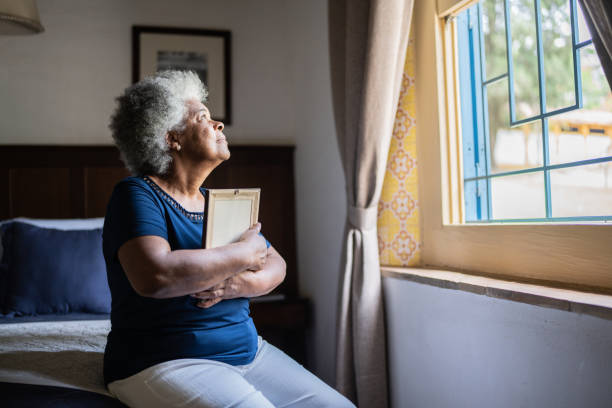
Extract from the article: World Widows' Day is celebrated every June 23. It is a reminder of a reality too often relegated to the background, that of the thousands of women who, after the loss of their spouse, have to face alone a world that is often harsh, unjust and...
World Widows' Day is celebrated every June 23. It is a reminder of a reality too often relegated to the background, that of the thousands of women who, after the loss of their spouse, have to face alone a world that is often harsh, unjust and silent to their pain. While mourning is universal, the condition of the widow in Togo remains marked by practices, deprivation and abandonment that seriously compromise her well-being, particularly her physical and mental health.
Although
data remains limited, it is estimated that there are around 258 million widows
in the world, and one in ten lives in extreme poverty. The Togolese widow,
especially in rural areas, has not only lost a spouse, she has often lost
economic support, social status and protection. Very quickly, she finds
herself having to take on everything - children, house, field or business - and
sometimes without resources or support. Faced with these overwhelming
responsibilities, health becomes a distant concern, even a luxury. And yet, the
consequences are there. Many widows suffer in silence from high blood pressure,
chronic pain, osteoarthritis, gynaecological problems, or undiagnosed illnesses
for lack of the means to consult a doctor.
Poor
nutrition, inadequate housing and repeated episodes of violence, combined with
lack of access to healthcare, have a negative impact on the well-being of the
family.
Mental
health: the taboo behind the smiles
Mental
suffering is an even more ignored aspect. How do these widows cope with the
loneliness, stigmatization and humiliation sometimes inflicted in the name of
widowhood rites? Many internalize all this, to the point of sinking into
depression, anxiety and even thoughts of giving up. And in a society where
“talking about emotions” remains marginal, these women remain silent, until
their bodies or minds give out.
Widows
as agents of resilience
Widows
are not to be pitied - quite the contrary. They are pillars of families,
entrepreneurs, educators and strong citizens. But if they are to continue to
play this essential role, it's time to guarantee them real rights and equitable
access to healthcare.
They
need easier access to primary healthcare, such as free or subsidized
consultations, mobile screening in rural areas, and integration into universal
health coverage.
Structured
psychosocial support is also needed, such as community-based psychological
support, and training for intermediaries who are sensitized to bereavement
issues.
Support
for economic empowerment through training, microfinance and the inclusion of
widows in women's entrepreneurship and financial education programs.
Thinking
differently about solidarity
As
a society, what do we do for those who have lost everything and yet continue to
fight ? It's not enough to show them compassion once a year. We need to
integrate their specific needs into development plans, health policies and
community priorities.
Widows'
health is the health of entire families. By giving them the means to care for
themselves, to speak out and to rebuild their lives, we are building a fairer,
more humane and stronger society.
Raymond DZAKPATA