

Personal hygiene for the elderly
- Posted on 30/06/2025 14:59
- Film
- By kolaniyendoumiesther@gmail.com
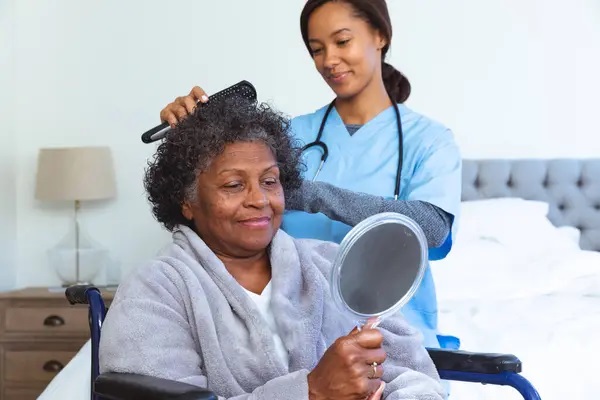
Extract from the article: Poor hygiene has serious repercussions. Physically, it increases the risk of local infections, bed sores and chronic skin irritation. These problems can rapidly worsen, requiring extensive treatment. Psychologically, neglect of hygiene in the ...
Poor hygiene has serious repercussions. Physically, it increases the risk of local infections, bed sores and chronic skin irritation. These problems can rapidly worsen, requiring extensive treatment. Psychologically, neglect of hygiene in the elderly leads to lower self-esteem and a sense of shame. This reinforces social isolation, as the elderly may avoid contact out of embarrassment.
How to help senior
citizens
To
make hygiene easier for the elderly, we first need to identify the cause of
neglect: is it fear of falling, a lack of energy or physical difficulty? Secure
the bathroom by installing stools, for example. Help them trim their
fingernails, as excessively long nails can impede walking or cause infections.
Play
music to make the moments more pleasant. Make sure the room is warm and prepare
comfortable clothes. If these people lack the time, professional support is a
solution. Caregivers can provide these hygiene services at home, offering
comfort and dignity to the elderly.
Showering frequency
With
age, seniors' skin becomes drier. It doesn't produce as much sebum as it used
to. We therefore recommend spacing out showers. The older you get, the more often you should shower, for the simple
reason that over time, skin dries out and can no longer produce as much sebum
as it used to. Senior citizens' skin is thinner and drier, tighter and itchier
than that of younger people. The ideal is to rinse the body every day and use
soap about one day in three, avoiding rubbing the skin too vigorously. This
means reducing the number of showers to two a week. Certain areas, such as the
armpits, the area between the toes or the private parts, should be cleansed
every day. Avoid water that's too hot, as this dries out the skin. Get used to
lukewarm water. Preferably, showers
lasting 3 to 4 minutes maximum.
By Esther
KOLANI
Source:
« L'Echos de Maskinongé »