

Seasonal Influenza in Togo: treatment and prevention
- Posted on 28/10/2025 19:59
- Film
- By raymonddzakpata@sante-education.tg
Extract from the article: October is known as the period when seasonal influenza emerges. This year again, children are the most affected. Since schools reopened in September, infections have been spreading rapidly in classrooms and on school grounds. Parents are also....
October is known as the period when seasonal influenza emerges. This year again, children are the most affected. Since schools reopened in September, infections have been spreading rapidly in classrooms and on school grounds. Parents are also catching the flu at offices among colleagues, in markets between vendors and customers, and even in places of worship such as churches and mosques. Health centers are being overwhelmed with cases of fever, headaches, and other flu symptoms, particularly among young people.
Pharmacies
are also seeing increased visits from people buying medicines for cough, cold,
and fever. Some medical representatives have reported running out of vitamins
and supplements. Even health workers in clinics and pharmacies have not been
spared.
“I went to a pharmacy in my neighborhood to buy cough medicine. The woman
who served me was sneezing. When I asked if she was also sick, she replied that
no one is spared,” said a man interviewed in Lomé.
Whether in urban or rural health centers across Togo, influenza has been
spreading in recent weeks. According to an alert issued by the Ministry of
Health on October 8, tests conducted by the National Institute of Hygiene (INH)
identified seasonal influenza viruses responsible for the current outbreak in
the country.
There are three types of seasonal influenza viruses – A, B, and C. Type A
influenza viruses are divided into subtypes based on combinations of surface
proteins. Among the many subtypes of influenza A viruses, A(H1N1) and A(H3N2)
are currently circulating in humans. According to information from the
Epidemiological Surveillance Department of the Ministry of Health and Public
Hygiene, in previous years, seasonal flu outbreaks were often caused by the
H3N2 virus, which tends to appear starting in October.
What is fueling the current wave?
Influenza is caused by highly contagious viruses that spread mainly through
droplets produced when talking, coughing, or sneezing, as well as through hands
that later touch the face. Closed and poorly ventilated spaces, classrooms, and
offices promote transmission, especially when people spend long hours side by
side.
In daily life, lack of sleep, prolonged stress, poor diet (low in fruits
and vegetables), sedentary lifestyle, and smoking weaken the immune system,
making infection more likely. Certain groups are more likely to develop
severe forms of the disease: pregnant women, children under five, the elderly,
and individuals with chronic illnesses such as high blood pressure, diabetes,
kidney failure, asthma, or immune deficiencies.
How to treat influenza?
Common symptoms include high fever (around 39°C), chills, intense fatigue,
loss of appetite, muscle and joint pain, headaches, dry and painful cough, and
a runny nose.
For mild cases, treatment is based on rest and hydration—drinking plenty of
water, soups, or herbal teas and eating light meals if appetite is reduced. For
fever and pain, paracetamol can be used according to dosage instructions, but
avoid combining multiple medications containing it.
Children and teenagers should avoid aspirin during flu-like illnesses.
Antibiotics are ineffective against influenza because they target bacteria, not
viruses; they are only needed in cases of bacterial superinfection, which must
be confirmed by a healthcare professional. It is also important to avoid
smoking, alcohol, and energy drinks, which further weaken the body.
When to seek medical help immediately
You should consult a doctor promptly if you experience difficulty
breathing, chest pain, unusual drowsiness, confusion, persistent high fever
beyond three days, or worsening exhaustion.
If you are pregnant, over 65, have a chronic disease, a weakened immune system,
or if it concerns a child under five, seek medical advice early at the first
signs of flu to discuss appropriate treatment.
Preventive measures against influenza
To reduce the risk of transmission, limit or avoid contact with people who
have the flu. Sick individuals and those caring for them should wear a surgical
mask to prevent spread.
How to protect yourself and your loved ones
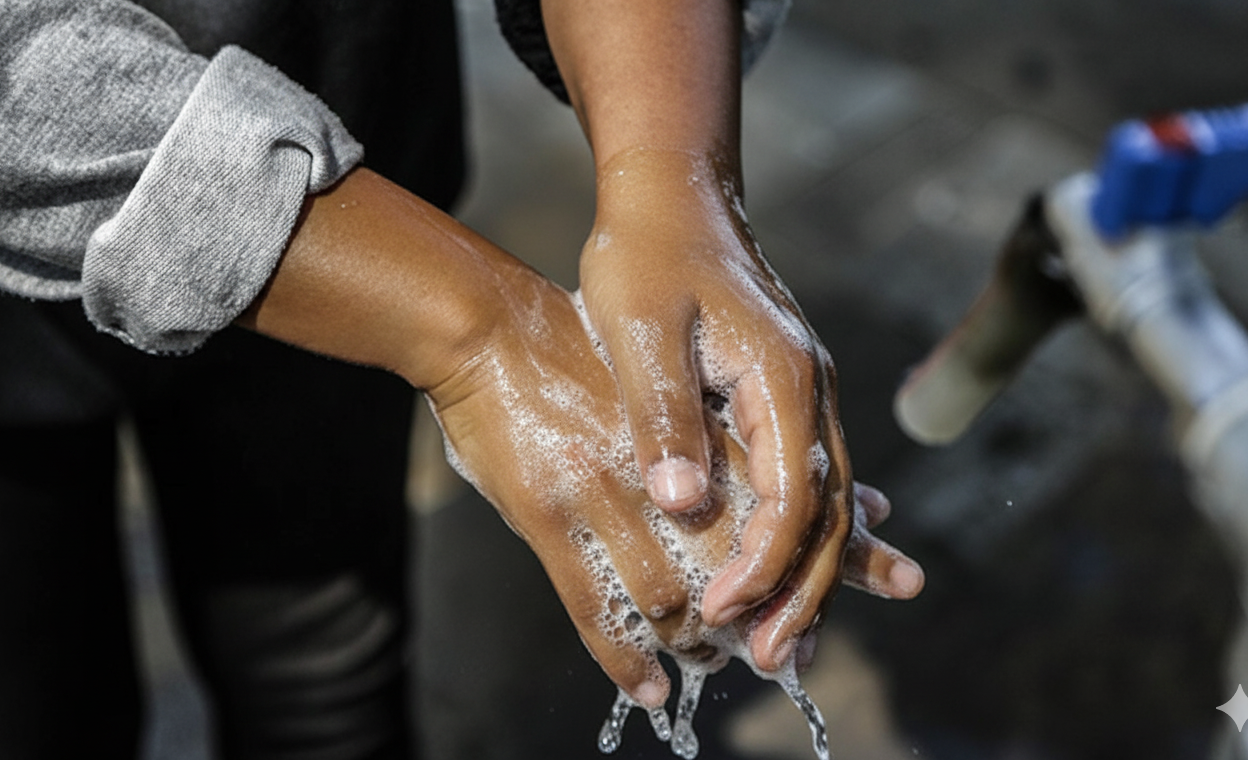
During flu season, it is essential to: wash your hands regularly, cough
or sneeze into your elbow, use disposable tissues; ventilate rooms
several times a day, wear a mask in enclosed or crowded spaces, especially around vulnerable
people, avoid close contact and disinfect frequently touched surfaces (phones,
doorknobs, keyboards), adopting healthy habits also helps strengthen your
immune system: get enough sleep, eat fruits and vegetables, exercise regularly,
and manage stress.
There is also a flu vaccine, which is generally recommended once a year.
Gamé KOKO ( Sources: Ministry of Health and Public Hygiene (Press Release), World Health Organization (WHO), Dr. Jean Claude Bakpatina, General Practitioner in Lomé)