
Balancing diet and physical activity for good health
- Posted on 08/12/2025 18:04
- Film
- By kolaniyendoumiesther@gmail.com
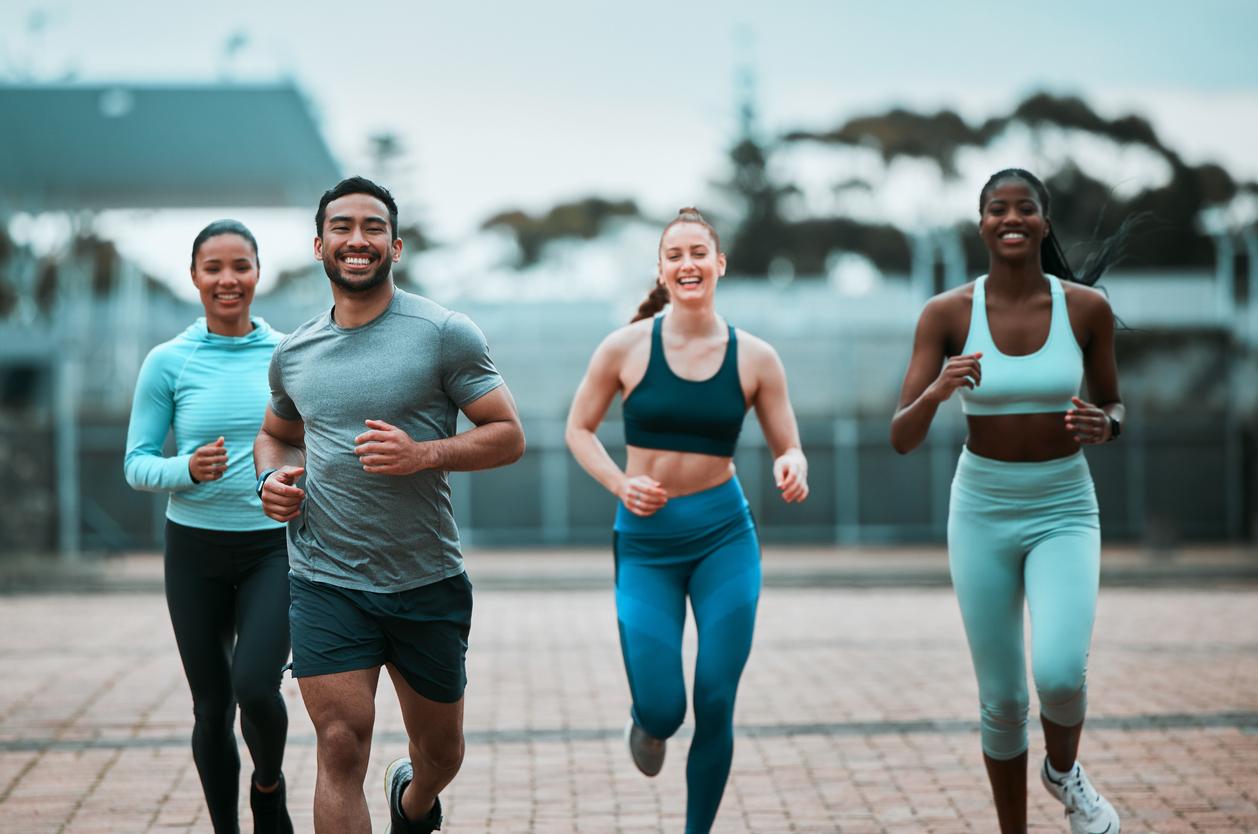
Extract from the article: Physical activity is a key factor in physical and mental health and has become central to medical recommendations. During physical exertion, muscles draw mainly on their own reserves. The brain, on the other hand, relies on the reserves present...
Physical activity is a key factor in physical and mental health and has become central to medical recommendations. During physical exertion, muscles draw mainly on their own reserves. The brain, on the other hand, relies on the reserves present in the liver. The day before a sporting event, eating a meal rich in carbohydrates, such as pasta, is therefore an excellent strategy for replenishing glycogen stores in both the liver and the muscles themselves. On the day of the event, it is best to eat a low-fat diet and avoid eating a meal in the hour before exercise.
The main challenge during sports is to
ensure a sufficient supply of fuel for the muscles in action, but also for the
rest of the body, especially the brain, which is very intolerant of a lack of
supply. During exercise, muscles and the brain have a constant and urgent need
for glucose. While glycogen reserves in the muscles and liver, and if necessary
fats, provide this glucose supply through chain reactions, a direct dose of
glucose or fructose is ideal for an immediate “boost.” Opt for a piece of banana,
for example.
Is thirst a sign that the
body is already dehydrated?
Thirst is not a sign of advanced
dehydration, as it can lead to excessive drinking. However, the greatest risk
for athletes is not dehydration, but rather overhydration. The body needs time
to eliminate excess fluids. When engaged in intense physical activity, the
body's internal regulation slows down. Excess water can then trigger a cascade
of dangerous, even dramatic, physiological reactions. As it spreads through the
bloodstream, water dilutes the minerals found there, particularly sodium. Cells
also become saturated with water. This creates a risk of edema (particularly
cerebral edema), which can be fatal. To protect yourself from such danger,
simply listen to your thirst without forcing yourself to drink.
Is vitamin C a good remedy
for preventing muscle soreness?
Muscle soreness is a sign of
micro-damage to the muscles. When faced with an unusual challenge, certain
muscle fibers can be injured, causing inflammation and characteristic pain. How
can this be remedied? By doing nothing. This is because this micro-damage is
part of the muscle strengthening process, in which the muscle is weakened and
then naturally strengthened. Taking vitamin C or other antioxidants cancels out
this effect. Muscle soreness usually fades away as you continue to exercise.
Are cramps during exercise
a sign of magnesium deficiency?
Most often, cramps are a sign of a lack
of training. They originate in one of the “control centers” of muscle activity,
located in the spinal cord. Sometimes suggested as a solution, magnesium
supplementation has not been proven to be effective across the board. Training
and a healthy lifestyle are the best ways to tackle physical exertion.
Is increasing protein
consumption to build muscle dangerous?
Combining weight training with a diet
rich in meat, eggs, fish, and possibly protein shakes can be a good idea if
your main goal is to build muscle mass. But to what extent? The important thing
is to maintain a balanced diet, not to overdo it, and to have good kidney
function. Excess protein can be harmful to people with kidney problems and can
contribute to gout, a painful inflammatory disease of the joints. Be careful,
as it is not uncommon for protein products advertised for bodybuilding to
contain doping substances. Vigilance is required, as labels often do not
mention their presence.
William O.
Source: “Santé Magazine”